Understanding the Scissor Lift
What is a Scissor Lift?
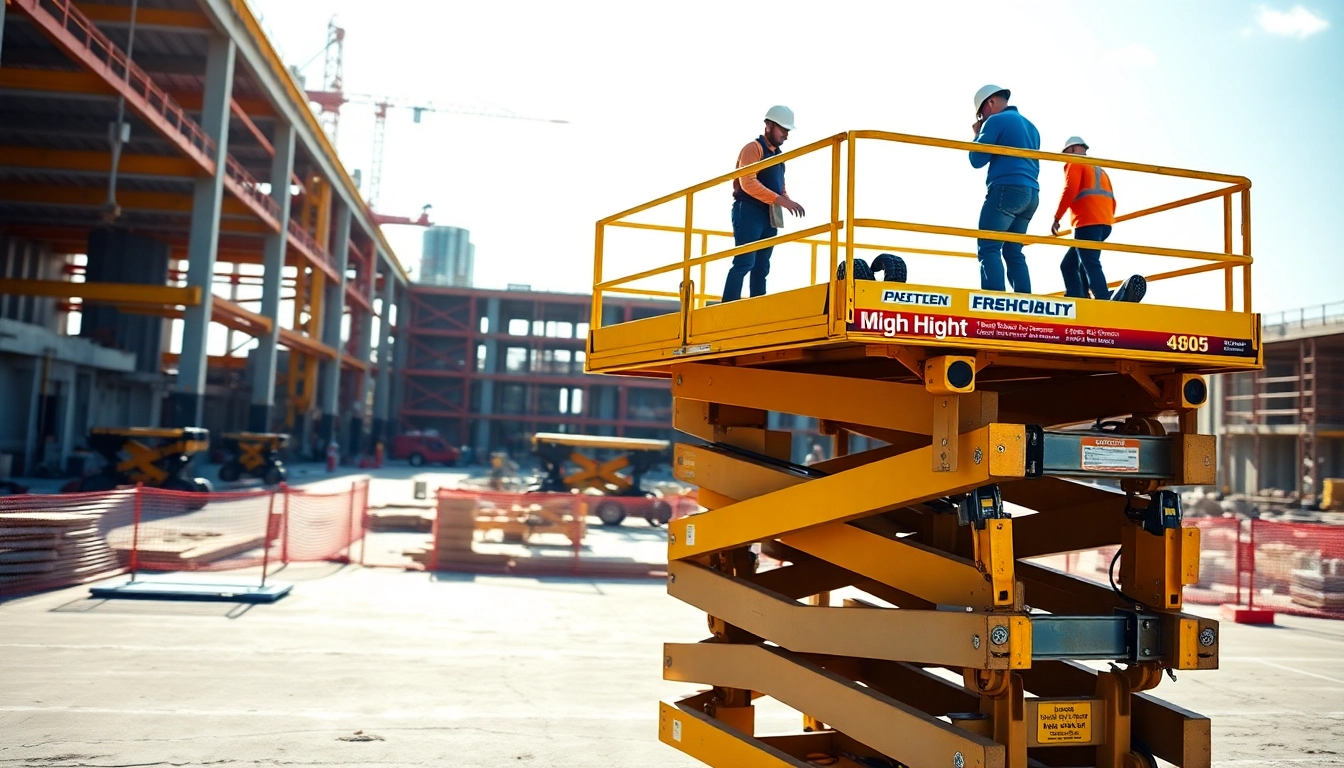
A scissor lift is an aerial platform used to safely elevate workers and materials for various applications. Named for its unique crosswise (or "scissor-like") mechanism that enables the lift to extend vertically, it is widely used in construction, maintenance, and other industrial settings. The mechanism consists of interconnected beams that expand and contract, providing a flat platform that can support personnel and tools at great heights. An essential piece of equipment in building renovation, warehouses, and outdoor events, a scissor lift is often favored for its safety and efficiency. For those seeking to rent such equipment, a scissor lift can be an excellent choice, offering flexibility and size options for specific job needs.
Types of Scissor Lifts
Scissor lifts come in a variety of types, each designed for specific conditions and applications. They can be generally categorized into the following types:
- Electric Scissor Lifts: These are ideal for indoor use, particularly in settings where noise and emissions must be minimized. They are excellent for tasks such as maintenance in warehouses, distribution centers, and places with sensitive environments.
- Rough Terrain Scissor Lifts: Designed for outdoor conditions, these lifts come equipped with larger tires and higher ground clearance, making them suitable for construction sites or uneven surfaces.
- Manual Scissor Lifts: Operated manually, these lifts are more compact and ideal for tight spaces where power sources may not be readily available. They are often used in indoor settings.
- Hybrid Scissor Lifts: Combining both electric and diesel options, hybrid lifts are versatile, making them useful across various applications, from indoor facilities to outdoor job sites.
Typical Uses in Various Industries
Scissor lifts are utilized across multiple industries due to their versatility and reliability. Common applications include:
- Construction: Scissor lifts are frequently used to aid in tasks such as framing, drywall installation, and masonry work at considerable heights.
- Manufacturing: In manufacturing plants, these lifts facilitate routine maintenance, allowing workers to access machinery and overhead areas safely.
- Events and Staging: Event planners use scissor lifts to set up lighting, sound equipment, and backdrops on stage or at large venues.
- Warehouse Operations: Facilities managers utilize them for inventory management, enabling easy access to high shelving and storage areas.
Benefits of Using a Scissor Lift
Enhanced Safety Features
Safety is paramount in any operational environment, and scissor lifts integrate multiple features designed to protect users. With guardrails, non-slip platforms, and emergency stop buttons, operators have peace of mind while working at heights. Many models are equipped with safety locks that prevent unintended descent and alerts that notify operators if they are exceeding load capacities. Additionally, scissor lifts can often be operated with ease, reducing the risk of accidents associated with manual lifting.
Cost-Effectiveness Over Time
Investing in a scissor lift can be financially prudent for businesses that require frequent access to elevated heights. By either renting or purchasing equipment, companies can save on labor costs—eliminating the need for scaffolding or ladders that require additional workers. Moreover, scissor lifts facilitate quicker completion of projects, reducing downtime and increasing overall productivity. The upfront investment is often offset by the streamlined operations and enhanced safety.
Versatility in Applications
The adaptability of scissor lifts makes them suitable across numerous tasks. In addition to standard lifting capabilities, many scissor lifts can be outfitted with additional tools such as hydraulic equipment or platforms for specialized tasks, enabling users to perform a wide range of tasks from installation to repairs. Whether it involves routine maintenance in a factory or setting up for a major event, the scissor lift meets varied operational demands efficiently.
Choosing the Right Scissor Lift
Key Specifications to Consider
When selecting a scissor lift, several specifications must be taken into account to ensure it meets project requirements. Key factors include:
- Maximum Lift Height: Depending on the nature of the task, choose a model with an adequate lift height to reach necessary areas.
- Platform Size: Consider the space and equipment needed on the platform, including how many operators will be aboard during use.
- Weight Capacity: Different models support varying weights; select one that safely accommodates both personnel and tools.
Height and Load Capacity Requirements
The lift height and load capacity are critical specifications. A higher lift height may be necessary for specific construction tasks, and the load capacity must be sufficient to support all personnel and materials without risking safety. Understanding project requirements will ensure that the selected scissor lift is suited to the tasks at hand while adhering to safety regulations.
Electric vs. Diesel Models
Choosing between electric and diesel models depends largely on intended use. Electric scissor lifts are quieter and emit no fumes, making them ideal for indoor settings where air quality is a concern. On the other hand, diesel models provide greater power and are suited for extensive outdoor applications, particularly on rough terrain. Assessing the work environment will greatly influence the decision between these models.
Scissor Lift Operation Guidelines
Pre-Operational Safety Checks
Before operating a scissor lift, several safety checks should be conducted to ensure optimal performance and safety. Operators should:
- Inspect the lift for any mechanical damage.
- Ensure that all safety equipment is in place and functioning, including guardrails and emergency stops.
- Check the surrounding environment for potential hazards, such as overhead power lines or unstable ground.
Basic Operation Procedures
Operating a scissor lift requires following a set of best practices to ensure safety and efficiency. Operators should:
- Familiarize themselves with the controls before beginning operation.
- Always wear personal protective equipment (PPE) while on the lift.
- Communicate with ground support to verify safe movement and positioning during operation.
- Never exceed load limits and monitor surroundings for safety throughout the operation.
Troubleshooting Common Issues
Operators may encounter common issues while using a scissor lift, such as battery failures or performance limitations. To troubleshoot:
- Ensure all emergency overrides are off before troubleshooting.
- Check power levels and recharge as needed.
- If the lift does not respond, consult the manual for specific error codes which could indicate system malfunction.
Frequently Asked Questions About Scissor Lifts
What is the maximum height of a scissor lift?
The maximum lift height of a scissor lift varies typically from 10 to 70 feet, depending on the model and design. It’s essential to select a lift that meets your project's specific height requirements.
Can scissor lifts be used outdoors?
Yes, scissor lifts, especially rough terrain models, are designed for outdoor use. Ensure the lift is rated for the specific conditions of your worksite.
What maintenance does a scissor lift require?
Regular maintenance includes checks on hydraulic systems, batteries, and electrical components, along with ensuring safety features function correctly to uphold operational standards.
How do I select the right scissor lift for my project?
Assess your project needs by determining the required lift height, load capacity, and whether the environment is indoor or outdoor to choose the appropriate scissor lift type.
Are scissor lifts rental options available?
Yes, many companies offer rental options for scissor lifts, allowing you to select the right model without the long-term financial commitment of purchasing equipment.