Introduction to Integrated Modular Systems
In an age where efficient resource management is paramount, integrated modular systems have emerged as a transformative solution, particularly in sectors like water treatment. These systems provide a cohesive and streamlined approach to managing complex functionalities within a singular framework. The Integrated Modular Systems developed by QILEE Group offer a versatile range of solutions tailored to meet specific water treatment challenges. By combining various treatment processes into modular components, these systems facilitate improved adaptability, reduced operational costs, and enhanced environmental compliance.
What Are Integrated Modular Systems?
Integrated modular systems are pre-engineered units that combine various functionalities into cohesive modules. Unlike traditional systems that may require extensive on-site construction and assembly, modular systems are prefabricated, allowing for quicker deployment and easier scalability. Each module can be customized to address specific needs, making these systems particularly effective in dynamic environments where water quality and quantity can vary significantly.
Key Components and Technologies
Central to the success of integrated modular systems are their key components and technologies. These systems often include:
- Integrated Membrane Technologies: Utilizing advanced membrane filtration processes, these technologies efficiently remove contaminants from water.
- Chemical Dosing Systems: Essential for optimizing treatment processes, these systems ensure that chemicals are added at the right time and amount to improve efficiency.
- DAF (Dissolved Air Flotation) Systems: These systems effectively separate suspended solids from liquids, making them ideal for treating wastewater.
- Sludge Dewatering Modules: Designed to reduce the volume of sludge from wastewater treatment processes, these modules enhance disposal efficiency.
Benefits of Modular Systems in Water Treatment
The benefits of using integrated modular systems in water treatment are manifold:
- Enhanced Flexibility: Modular systems allow for quick adjustments to treatment processes based on varying water quality demands.
- Cost-Effectiveness: By reducing the need for extensive construction and allowing for phased implementations, these systems help lower overall project costs.
- Improved Performance: Integration of various treatment technologies provides synergistic effects, enhancing the overall effectiveness of the water treatment process.
- Environmental Compliance: Modular systems can be designed to meet specific regulatory requirements, facilitating easier compliance with environmental standards.
Core Offerings of QILEE's Integrated Modular Systems
As a leading manufacturer and supplier of integrated modular systems, QILEE Group specializes in a diverse range of water treatment solutions tailored to address specific challenges in wastewater management.
Integrated Membrane Water Treatment System
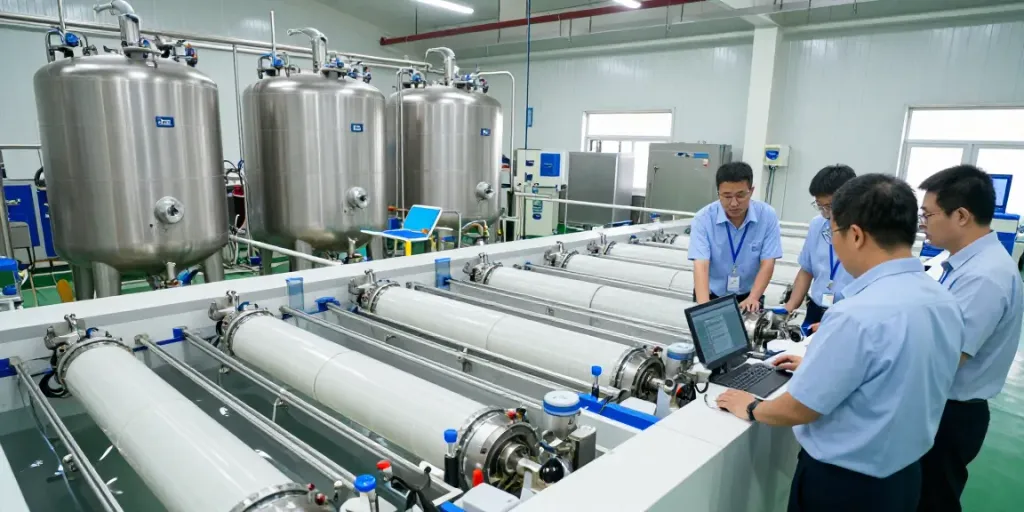
The Integrated Membrane Water Treatment System employs advanced membrane technology to ensure high-quality water purification. This system is particularly useful in removing fine particulate matter and dissolved contaminants while maintaining high flux rates, making it ideal for both industrial and municipal applications.
Chemical Treatment Solutions
QILEE's chemical treatment solutions involve the precise dosing of chemicals for coagulation, flocculation, and disinfection processes. By integrating these capabilities into a modular system, operators can achieve optimal chemical use based on real-time water quality data, thus enhancing efficiency and reducing costs.
DAF Integrated Treatment Systems Overview
The DAF integrated treatment system combines dissolved air flotation technology with chemical dosing and sludge dewatering to provide a highly effective solution for wastewater containing suspended solids. This compact, specialized structure ensures reliable operation and high performance, particularly for challenging wastewater streams.
Applications of Integrated Modular Systems
Integrated modular systems find applications across various sectors, showcasing their versatility and effectiveness in managing complex water challenges.
Industrial Water Treatment Solutions
Industries such as pharmaceuticals, food and beverage, and petrochemicals can benefit significantly from integrated modular systems. These systems can be tailored to handle specific industrial effluents, ensuring compliance with stringent discharge regulations while optimizing water reuse.
Municipal Wastewater Management
Municipalities are increasingly adopting integrated modular systems to manage wastewater treatment. These systems provide a scalable solution that can adapt to changing population densities and regulatory requirements, ensuring reliable wastewater management and resource recovery.
High-Efficiency Sludge Dewatering
Effective sludge dewatering is critical for reducing disposal costs and environmental impact. QILEE’s sludge dewatering modular systems are designed to provide high performance in reducing the volume of sludge, making them an indispensable part of modern wastewater treatment facilities.
Challenges and Considerations
Despite the advantages, several challenges and considerations remain when implementing integrated modular systems in water treatment.
Common Misconceptions About Modular Systems
One common misconception is that modular systems lack the robustness of traditional systems. However, when designed and implemented correctly, these systems can deliver equally, if not more, reliable performance due to their advanced technology and engineering.
Addressing Efficiency in Design and Functionality
Efficiency is key to the success of integrated modular systems. Careful design considerations, including the integration of smart technologies for real-time monitoring and control, can enhance the efficiency of these systems significantly.
Future Trends in Integrated Modular Water Solutions
Looking ahead, the future of integrated modular systems will likely see an increased emphasis on sustainability, enhanced automation, and the integration of AI for predictive maintenance and operational efficiency. These advancements will further solidify the role of modular systems as a cornerstone of modern water treatment practices.
Case Studies and Real-World Applications
Understanding the practical applications of integrated modular systems can provide valuable insights into their effectiveness and versatility.
Successful Implementations of QILEE Systems
QILEE Group has a proven track record of successful implementations across various industries. One notable case involved a municipal wastewater treatment facility that integrated a modular DAF system, resulting in a 30% reduction in operational costs and a significant improvement in water quality.
Performance Metrics and Outcomes
Performance metrics from installations showcase the reliability and efficiency of integrated modular systems. Key outcomes include reduced energy consumption, lower chemical usage, and improved compliance with discharge standards.
Lessons Learned and Industry Insights
From various implementations, industry insights reveal the importance of customization and scalability. Each installation presents unique challenges that require tailored solutions, highlighting the need for flexibility in design and operation.
Frequently Asked Questions
What is an example of a modular system?
An example of a modular system includes a pre-packaged wastewater treatment plant that incorporates different treatment modules such as screening, biological treatment, and disinfection in a single integrated unit.
How much does a modular system cost?
The cost of a modular system can vary widely depending on the complexity, size, and specific technologies used. However, they are generally more cost-effective compared to traditional systems due to reduced construction and installation times.
What is the difference between modular and integrated design?
Modular design refers to a system built from standardized units or modules that can be easily assembled or reconfigured. Integrated design emphasizes the interconnection and optimization of those modules to function as a cohesive system, enhancing overall performance.