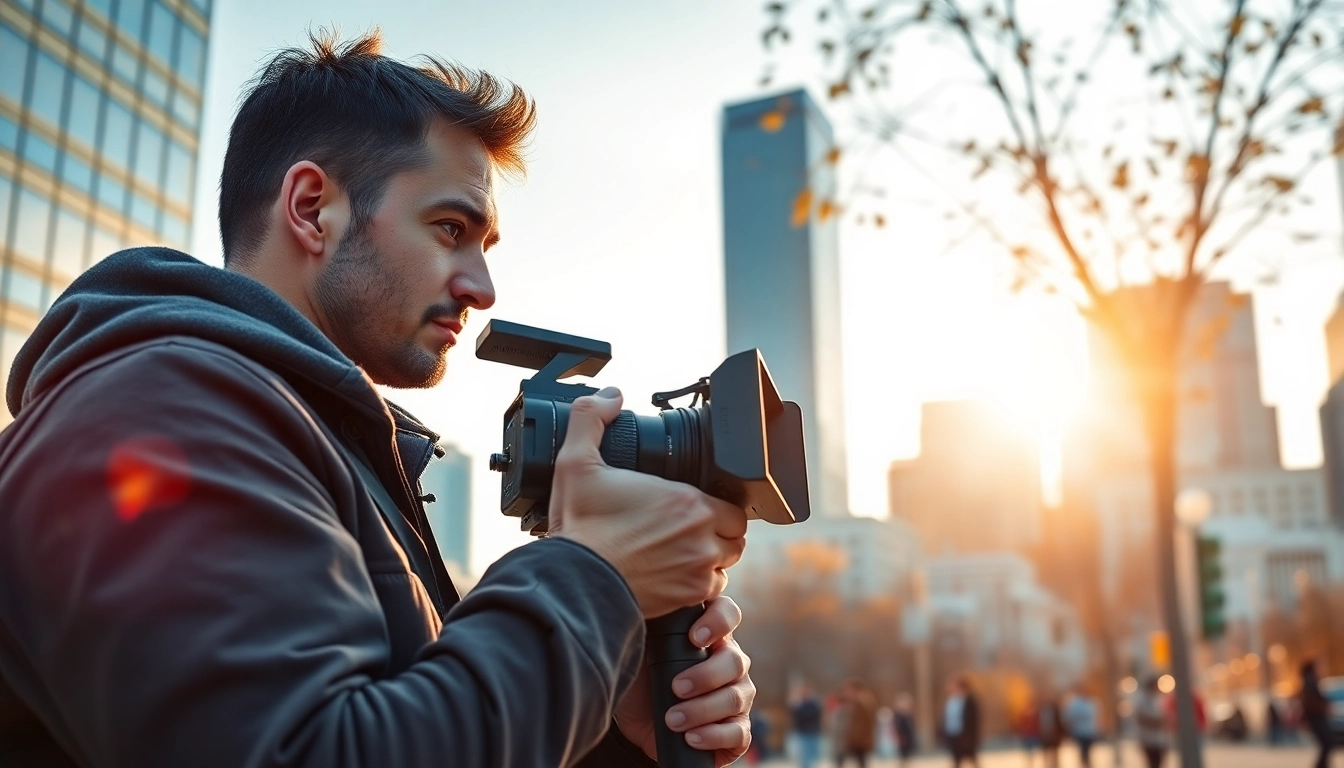
Understanding the Role of an Edmonton Videographer
What Does a Videographer Do?
At the core of video production lies the pivotal role of the videographer. An edmonton videographer is responsible for capturing visual content that conveys a story or message effectively. This entails not just operating a camera, but also managing various elements such as lighting, sound, and composition. From corporate videos and weddings to commercials and documentaries, videographers adapt their methods to meet the specific needs of different projects. They are, in essence, storytellers using the lens of a camera to create narratives that resonate with audiences.
Essential Skills for Videographers
Being a successful videographer requires a diverse skill set. First and foremost, technical prowess is essential; understanding how to operate cameras, lenses, and editing software is fundamental. In addition to technical skills, an excellent eye for detail allows videographers to compose shots that are visually appealing. Furthermore, strong interpersonal skills are crucial when collaborating with directors, clients, and other creatives. Lastly, a solid grasp of visual storytelling principles helps videographers craft compelling narratives that engage viewers and evoke emotions.
The Importance of Storytelling in Video
Video is one of the most potent storytelling mediums available today. Through carefully crafted visuals, sound design, and editing, videographers create experiences that engage audiences. The ability to connect with viewers on an emotional level is what separates an average video from an extraordinary one. Each shot, sound, and transition contributes to the overarching narrative; hence, understanding the fundamental components of storytelling is crucial for any videographer. By weaving together moments into a cohesive story, an Edmonton videographer can transform mundane content into something memorable and impactful.
What to Look for When Hiring an Edmonton Videographer
Reviewing Portfolios and Previous Work
When hiring a videographer, reviewing their portfolio is vital. A good videographer will showcase a variety of work types, demonstrating their versatility and skill. Pay attention to the quality of their footage, editing style, and the types of stories they typically tell. Look for evidence of creativity, technical expertise, and the ability to convey emotions in their work. An Edmonton videographer's portfolio should not only display their best work but also reflect their unique style and approach to storytelling.
Communication and Collaboration Skills
Effective communication is key to a successful project. An Edmonton videographer should be able to understand your vision and provide valuable feedback. Look for someone who is open to collaboration, as this will lead to better outcomes for your project. The ability to articulate ideas, respond constructively to feedback, and address any concerns proactively is essential to ensure that the final product aligns with your expectations.
Understanding of Your Project Needs
Every project has unique requirements. A professional videographer takes the time to listen to your needs and offers solutions tailored to your vision. During initial consultations, gauge their willingness to engage in discussions about your project, including goals, themes, and desired outcome. Their understanding of your project will directly impact their approach, from pre-production planning to post-production editing.
Common Challenges Faced by Edmonton Videographers
Managing Client Expectations
Client expectations can often be misaligned with reality, leading to potential dissatisfaction. Effective communication is essential to mitigate misunderstandings and ensure both parties are on the same page. An Edmonton videographer should involve clients in initial discussions to clarify options, timelines, and possible limitations, thus managing expectations realistically.
Working with Various Lighting Conditions
Lighting plays a crucial role in the quality of video footage. Whether shooting indoors, outdoors, or in low-light settings, videographers must adapt to varying conditions. An understanding of light sources and how to manipulate them is fundamental. Using tools such as reflectors, diffusers, and artificial lights enables videographers to achieve optimal results, regardless of the lighting situation they encounter.
Time Management During Projects
Time management is a critical skill for videographers, particularly when working under tight deadlines or during multi-day shoots. Effective planning and scheduling are essential to ensure that every aspect of production flows smoothly. An Edmonton videographer should have a clear timeline, allocate time for filming, editing, and client reviews, and anticipate possible delays to manage the project efficiently.
Best Practices for Successful Video Production
Planning and Pre-Production Tips
Preparation is half the battle in video production. Start by defining your goals and identifying your target audience, as this will dictate your approach. Create a storyboard or script outlining each scene, shot, and dialogue. A detailed shot list ensures that all angles are covered. Additionally, conducting location scouting allows videographers to anticipate challenges and make adjustments before filming commences.
Effective Camera Techniques and Equipment
Knowledge of camera techniques significantly influences the quality of the video. Use appropriate framing, angles, and movement to create visual interest. Familiarity with equipment, including tripods, stabilizers, and lenses, helps achieve smooth and compelling shots. Invest in high-quality gear and regularly maintain it to ensure flawless operation during shoots. As technology evolves, it’s also essential to stay updated on the latest tools and techniques in videography.
Post-Production Essentials for Quality Results
Once filming is complete, the post-production phase is where the footage comes to life. A skilled Edmonton videographer knows how to edit footage effectively, utilizing software to enhance visuals, synchronize audio, and incorporate graphics or special effects. Pay attention to pacing, transitions, and color grading, as these elements can significantly affect the final product’s appeal and engagement level. A thorough review process ensures all edits align with the client’s vision before final delivery.
Frequently Asked Questions About Edmonton Videographers
How do I choose the right videographer for my project?
Focus on their portfolio, relevant experience, skill set, and ability to understand your project needs. Communication and reliability are also key factors to consider.
What should I expect during the filming process?
Expect collaboration and communication. The videographer will guide the process but will also value your input to ensure the video aligns with your vision.
How long does it take to receive the final video?
The timeframe for delivery varies depending on the project size, complexity, and editing required. Typically, expect anywhere from a week to a month for completion.
What’s included in a typical videography package?
Packages generally include pre-production planning, filming, post-production editing, and a certain number of revisions. Additional services, like drone footage, may be available.
Can I provide input on the video’s style and content?
Absolutely! Client input is essential during the creative process. A good videographer will appreciate your feedback and work with you to bring your vision to life.
Contact Information
Call Us: (780) 475-7545Email: [email protected]Address: TD Tower Suite 2501, 10088 - 102 Ave Edmonton, AB T5J 2Z1