Understanding the Online AI Illustration Generator Landscape
The rise of online AI illustration generators has transformed the creative landscape, empowering users to generate unique artwork with just a few clicks. These innovative tools harness the capabilities of artificial intelligence to interpret text prompts and produce illustrations that range from whimsical to photorealistic. As businesses and individuals alike seek to capitalize on the visual content demand, understanding the nuances of these platforms becomes critical. When exploring options, online AI illustration generator solutions can offer comprehensive insights into the capabilities and functionalities available today.
What is an online AI illustration generator?
Online AI illustration generators are sophisticated applications that use machine learning algorithms to create images based on textual descriptions. Users input a prompt—anything from "a serene mountain landscape" to "a futuristic city skyline"—and the generator processes this information to create a visual representation. These tools have democratized the art creation process, enabling anyone with an idea to produce high-quality illustrations without needing advanced artistic skills.
The technology behind AI art generation
The backbone of AI illustration generators often relies on deep learning techniques, particularly Generative Adversarial Networks (GANs) and transformer models. GANs consist of two neural networks—one that generates images and another that evaluates them—working in tandem to produce realistic art. On the other hand, transformer models, like those seen in OpenAI’s DALL-E, utilize vast amounts of training data to understand and replicate artistic styles, resulting in a wide variety of outputs based on the input prompts provided.
Why use an online AI illustration generator?
There are several compelling reasons to use online AI illustration generators, including:
- Cost-effectiveness: Many platforms offer free versions or affordable subscriptions, making art creation accessible to everyone.
- Speed: Art that could take hours or days to create manually can be generated in mere seconds.
- Ease of use: Most tools feature intuitive interfaces that allow users to focus on their creative vision without getting bogged down by technical skills.
- Variety: Users can experiment with countless styles and outputs, ensuring they find the perfect illustration for their needs.
Key Features of Top Online AI Illustration Generators
User-friendly interfaces and accessibility
One of the standout features of leading AI illustration generators is their focus on user experience. Most platforms are designed with non-technical users in mind, offering straightforward interfaces that require minimal learning. Elements such as drag-and-drop functionality and easy-to-navigate menus make it simple for anyone to start creating. Additionally, many generators are web-based, meaning users can access them from any device without needing to download software.
Customization options for unique creations
Customization is essential for users looking to produce unique artwork. Top AI illustration generators allow users to adjust parameters such as style, color palette, and artistic technique. For instance, platforms may feature preset styles drawn from famous artists or allow users to train the AI with their own images to create a distinctive look. This level of personalization helps users maintain brand consistency while still harnessing the power of AI.
Integration with other design tools and platforms
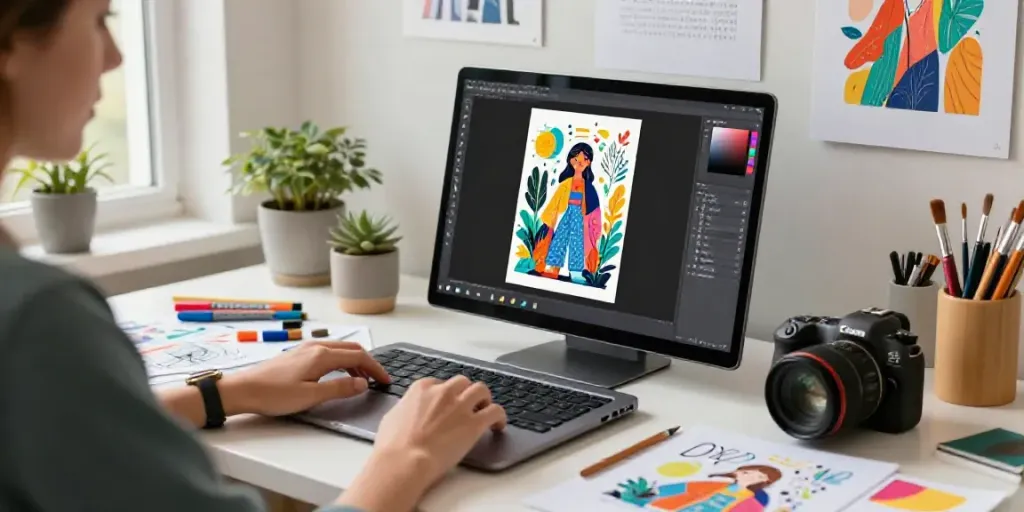
Another key feature is the ability to integrate with other design tools and platforms. Many AI illustration generators offer plugins or direct export options to popular graphic design software, such as Adobe Photoshop or Canva. This interoperability allows artists and designers to streamline their workflows, enhancing productivity by eliminating the need to switch between multiple applications.
Best Practices for Creating Stunning AI-Generated Artwork
Crafting effective prompts for optimal results
Getting the best output from an AI illustration generator often hinges on the quality of the prompt provided. Effective prompts should be clear and descriptive. Instead of simply saying "dog," a more detailed prompt like "a golden retriever playing with a frisbee in a sunny park" will give the AI more context to work with, leading to better results.
Leveraging style settings and preferences
Most AI generators include style settings that allow users to choose or customize artistic techniques. Experimenting with different styles—such as impressionism, realism, or cartoonish designs—can yield surprising and delightful results. Users should take advantage of these options to find a style that resonates with their vision.
Combining AI art with traditional methods
While AI-generated art is impressive, blending it with traditional artistic methods can yield extraordinary outcomes. Artists can start with an AI-generated illustration as a base and then enhance it using digital painting tools or traditional media. This hybrid approach not only adds a personal touch but can also be a source of inspiration for further artistic endeavors.
Challenges and Limitations of Online AI Illustration Generators
Common misconceptions about AI-generated art
Despite their growing popularity, misconceptions abound regarding AI-generated art. Some believe that AI creates art entirely independently; however, the AI's output is heavily dependent on the quality and specificity of the input it receives. Additionally, there are concerns about the originality of the art produced, as AI often learns from existing works.
Understanding copyright and usage rights
With the rise of AI art comes the imperative need to understand copyright issues. Users must be aware of the terms and conditions of the platforms they use, as copyright ownership of generated art can vary. Some platforms allow full ownership, while others retain certain rights over the images created, complicating the commercial use of AI-generated works.
Dealing with technological limitations and bugs
As with any emerging technology, AI illustration generators are not without their bugs and limitations. Users may encounter errors, inconsistent outputs, or limitations on the complexity of the images generated. Staying patient and understanding that these tools are continually evolving can help mitigate frustration.
The Future of Online AI Illustration Generation
Emerging trends in AI art technologies for 2026
As the technology powering AI illustration continues to evolve, several trends are emerging. Expect advancements in real-time collaboration features that allow multiple users to contribute to a single illustration simultaneously, making the process even more interactive. Additionally, improvements in natural language processing will refine the ability of AI to interpret nuanced prompts, producing increasingly sophisticated illustrations.
Impact of AI on the creative industries
The integration of AI into creative industries is becoming more profound, with potential implications for job roles and skill requirements. While some fear that AI might replace traditional artists, many experts argue that it will instead serve as a complementary tool, enhancing creativity and allowing artists to focus on high-level concepts and strategies.
Preparing for future developments in AI illustration tools
To stay ahead in the rapidly evolving landscape of AI-generated art, artists and designers should continuously explore new tools and updates in technology. Participating in community forums and webinars can also provide insights into best practices and innovative uses of AI in creative projects.
What is the best free AI illustration generator?
The answer to this question is subjective and often depends on user needs. Popular options like Canva, Adobe Firefly, and Ilus AI are among the favorites, especially for their free versions that cater to different audiences, whether they are casual users or professional designers.
Can AI create original artwork?
While AI can generate artwork that appears original, it does so by learning from existing works. The originality may be questioned, particularly in contexts such as copyright and artistic intent. Users should consider these factors when using AI-generated art, especially for commercial purposes.
Is there a free AI art generator with no restrictions?
Several platforms offer free AI illustration generation with minimal restrictions, though many may limit the resolution or number of images per day. Users looking for unrestricted capabilities often must transition to paid plans, which provide enhanced features and outputs.
How does AI compare to human artists in illustration?
While AI can generate impressive illustrations, it lacks the emotional depth, understanding, and personal experiences that human artists draw upon. AI tools excel in speed and efficiency but often lack the nuanced creativity and storytelling that human artistry brings to the table.
What are the ethical considerations for AI-generated art?
The ethical landscape surrounding AI-generated art is complex, revolving around issues of copyright, originality, and the societal impacts of automation in creative fields. Artists and users should engage with these challenges thoughtfully, striving for a balance between innovation and respect for traditional artistry.