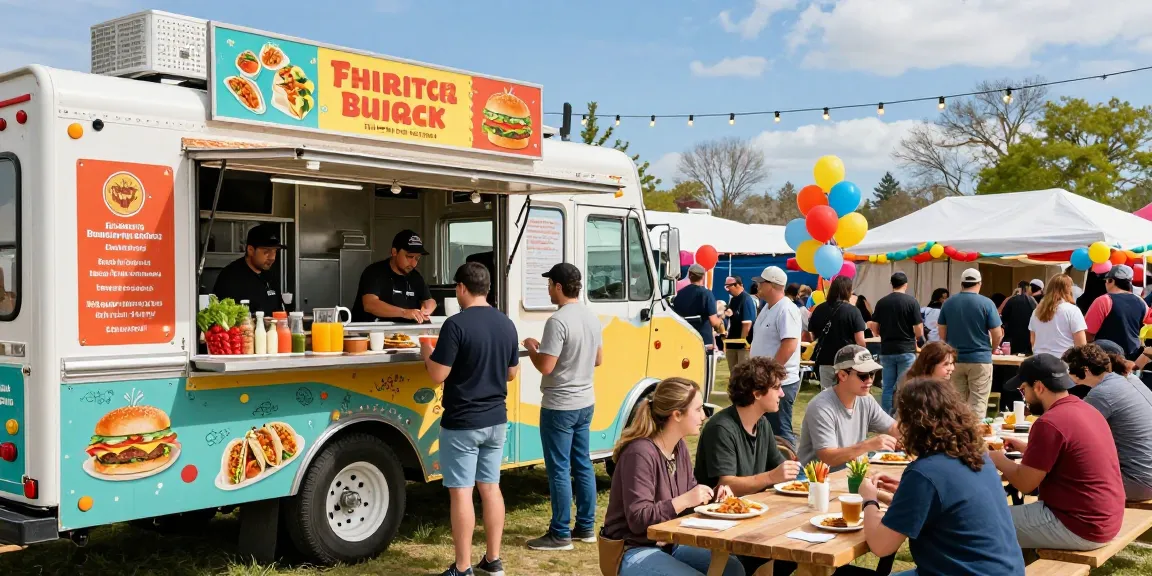
Understanding Food Truck Startup Costs
Starting a food truck business can be an exciting venture, blending the freedom of mobility with the culinary creativity of crafting delicious meals. However, one of the most critical steps in this process is understanding the food truck startup costs. Entrepreneurs must look beyond the initial excitement and assess the financial implications of launching a mobile kitchen. Proper planning can prevent unforeseen expenses and ensure that your food truck is both profitable and sustainable.
Breakdown of Initial Expenses
The first step in preparing for your food truck journey is to recognize all the initial costs involved. These can vary significantly based on your location, the type of food you plan to sell, and the quality of equipment you choose.
- Truck Acquisition: The cost of a food truck can range from $20,000 to $100,000, depending on whether you buy new or used. Modifications to meet health regulations can add additional costs.
- Equipment: Essential kitchen equipment, such as grills, fryers, and refrigerators, can add another $20,000 to $50,000 to your budget.
- Licensing and Permits: Depending on your city, licenses and permits can cost from a few hundred to several thousand dollars. It's crucial to research local regulations to avoid unexpected fees.
- Branding and Marketing: Initial branding efforts, signage, and promotional materials can cost anywhere from $1,000 to $5,000, depending on the complexity and reach of your marketing strategy.
Essential Equipment and Vehicle Costs
The food truck itself plays a significant role in determining your initial investment. Beyond the basic truck purchase, outfitting it with equipment specific to your menu is vital. Specialized equipment like a pizza oven or a deep fryer can drastically increase the costs. Budget for both the purchase cost and ongoing maintenance of the equipment, which can add anywhere from $3,000 to $10,000 annually.
Licensing and Permit Fees
Every city has distinct regulations governing food trucks. Understanding these requirements is crucial for compliance. Licenses, food handler permits, and health inspections must be factored into your startup costs. A detailed review of local regulations will provide clarity on what permits are needed and their associated costs, which can range from $500 to upwards of $2,000.
Ongoing Operational Expenses
Once your food truck is operational, ongoing costs will affect your profitability. Understanding these recurring expenses is vital for budgeting and financial planning.
Food and Beverage Supply Costs
One of the largest ongoing expenses will be the cost of food and beverages. This can vary based on menu choices, supplier relationships, and seasonal availability of ingredients. Budgeting for supply costs should account for price fluctuations and spoilage, with monthly expenses reaching anywhere from $2,000 to $10,000 depending on sales volume.
Staffing and Labor Expenses
If you plan to hire employees, labor costs will be significant. This includes wages, benefits, and payroll taxes. Depending on the size of your team, labor costs can easily account for 25% to 35% of your gross revenue. Calculate potential labor needs and associated expenses to ensure proper staffing without overextending your budget.
Maintenance and Insurance Obligations
Maintaining your food truck and ensuring it is covered by insurance are ongoing commitments. Regular maintenance like oil changes, tire rotations, and equipment servicing can add up. On top of that, finding comprehensive insurance coverage that protects against liabilities, vehicle damage, and employee injuries is necessary, with costs ranging from $1,000 to $5,000 annually.
Financial Planning and Budgeting
Having a strong financial plan is the backbone of any successful food truck business. A coherent budget will help track expenses and forecast revenues, essential for long-term success.
Creating a Realistic Business Plan
A well-structured business plan includes a thorough market analysis, a detailed outline of startup and ongoing costs, and an overview of revenue streams. This plan will not only guide you through the initial stages of your food truck but can also be pivotal in securing funding. A solid plan can save you time and resources in the long run.
Calculating Profit Margins and ROI
Understanding your profit margins is critical. Calculate all selling prices against your costs to determine your break-even point. Generally, food trucks aim for a 25% to 70% profit margin, depending on the market and pricing strategies. Knowing your return on investment (ROI) will help track the effectiveness of your financial strategy.
Identifying Funding and Financial Assistance Options
Various funding avenues can support your food truck startup. Options include traditional bank loans, crowdfunding, or seeking investors. Additionally, small business grants may be available based on your location and the niche of your food offerings. Research each option thoroughly to find the best fit for your financial situation.
Market Trends Affecting Food Truck Businesses
Staying informed about market trends is essential for adapting your business strategy. Trends in consumer behavior, technology, and event participation can significantly impact your food truck's success.
Shifts in Consumer Preferences and Dietary Needs
Today's consumers are increasingly health-conscious and aware of dietary restrictions. Offering gluten-free, vegan, or locally sourced options can cater to these changing preferences and expand your customer base. Understanding these trends can help refine your menu for better market alignment.
Technological Advances and Their Impact
Technology plays a crucial role in modern food truck operations. Utilizing mobile apps for ordering and delivery, social media for marketing, and data analytics for inventory management can streamline operations and enhance customer experience. Consider integrating technology into your business model to stay competitive.
Trends in Food Truck Locations and Event Participation
The location of your food truck can make or break your business. High foot traffic areas, local events, and festivals present excellent opportunities for exposure and sales. Research and monitor local events to find optimal locations that attract your target audience.
Case Studies of Successful Food Truck Launches
Learning from others can provide insights and inspiration for your own food truck journey. Examining successful food truck case studies reveals valuable strategies and lessons learned in the industry.
Entrepreneur Success Stories and Lessons Learned
Many entrepreneurs have thrived by leveraging their personal experiences and culinary skills. For example, a food truck owner began with a family recipe that captured community interest, ultimately leading to a thriving business. Such stories highlight the importance of authentic branding and community engagement.
Innovative Concepts and Unique Selling Points
Food trucks that successfully differentiate themselves often have a unique selling proposition (USP). Whether it’s offering unusual flavors, themed events, or innovative service concepts, exploring diverse ideas can help set your truck apart in a crowded market.
Common Challenges and Solutions in the Industry
Like any business, food trucks face challenges. Common issues include regulatory hurdles, equipment failures, and maintaining consistent product quality. Developing contingency plans for these potential challenges can be crucial for resilience and continuous operation.
What Are the Top Strategies for Food Truck Success?
Success in the food truck industry depends on strategic planning and execution. Collaborating with local businesses, leveraging social media for marketing, and engaging with customers can build a loyal following and increase visibility.
How to Navigate Local Regulations and Compliance?
Understanding and adhering to local regulations is pivotal for a successful food truck operation. Regularly consult with local health departments and legal advisors to stay compliant with changing regulations and avoid fines that can impact your bottom line.
What Future Trends Should New Food Truck Owners Watch?
As the food truck industry evolves, owners should stay ahead of future trends like sustainability practices, plant-based offerings, and digital payment options. Adapting to these trends can position your food truck for longevity and success in a dynamic market.