What is Bed Bug Heat Treatment?
Definition and Overview
Bed bug heat treatment is a revolutionary pest control method focused on eliminating these troublesome insects using heat. This technique effectively targets all life stages of bed bugs, from eggs to adults, making it a comprehensive solution for infestations. The treatment involves raising the temperature of infested areas to levels that are lethal to bed bugs, typically reaching up to 135°F (57°C). One of the key advantages of this method is its non-toxic nature, offering an eco-friendly alternative to chemical pesticides. For effective eradication, many pest control professionals recommend utilizing the bed bug heat treatment as a primary or supplemental strategy alongside traditional methods.
How It Works
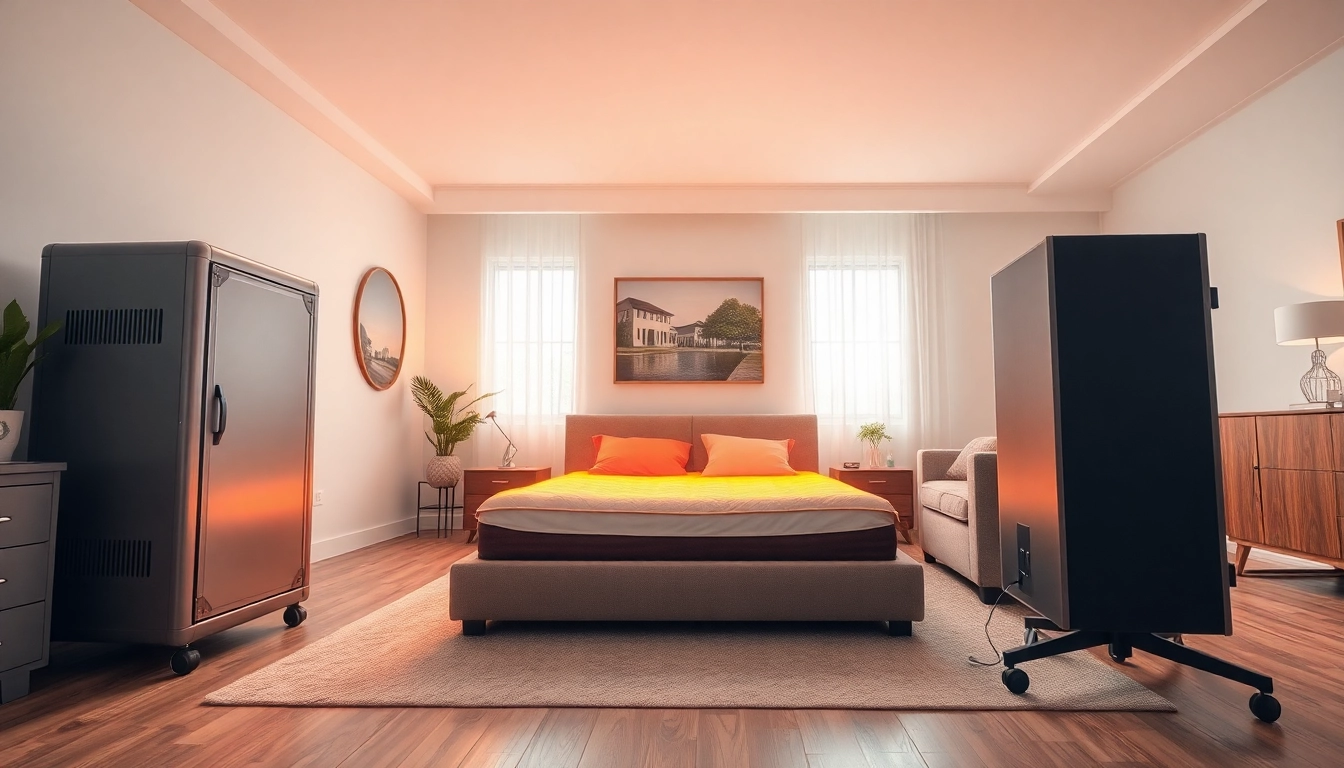
The science behind bed bug heat treatment is simple yet effective. Bed bugs and their eggs cannot survive when exposed to temperatures above 120°F for prolonged periods. During treatment, specialized heaters are deployed in the affected area, gradually raising the ambient temperature. The goal is to ensure that every nook and cranny of the infested space reaches the target temperature. Sensors are often used to monitor and maintain consistent temperatures, ensuring that even the most hidden bed bugs are eliminated. This high-temperature environment disrupts the insects' nervous systems and eventually leads to their death.
Advantages Over Other Methods
While there are various methods available to combat bed bug infestations, heat treatment offers several distinct advantages:
- Comprehensive Coverage: Unlike sprays that may miss insects hiding in difficult-to-reach areas, heat penetrates into fabrics, wood, and other materials, reaching every active stage of bed bugs.
- Environmentally Friendly: This method does not rely on chemicals, making it safe for families and pets, and it is less harmful to the environment.
- Quick Results: Many heat treatments can be completed in a single day, significantly reducing downtime in your living space.
- Non-Residual: Unlike chemical treatments, heat doesn't leave behind toxic residues or require long waiting periods during re-entry into treated areas.
Preparing for Bed Bug Heat Treatment
Initial Assessment Steps
Before proceeding with bed bug heat treatment, a thorough assessment is crucial. This assessment typically involves:
- Inspection: A pest control professional should perform a detailed inspection to identify the extent of the infestation. This helps determine how many rooms require treatment.
- Assessment of Items: It's essential to evaluate which items in the infested area can withstand heat exposure. Items that can’t be heated may need alternative treatment.
- Space Evaluation: Assessing the layout of the space helps in planning the most effective treatment method, ensuring all areas are targeted.
How to Prepare Your Home
Preparation is vital for maximizing the effectiveness of the bed bug heat treatment. Here’s how to get ready:
- Remove Clutter: Clear the area of unnecessary items, as this will prevent hiding spots and make treatment more effective.
- Wash Fabrics: Launder bedding, clothing, and other fabric items in hot water and dry them on high heat to eliminate any bed bugs before treatment.
- Furniture Arrangement: Move furniture away from walls to provide full access to heaters and improve treatment efficiency.
- Inform Family Members: Communicate with everyone in your household about the treatments, their duration, and safety protocols.
Things to Consider Before Treatment
Before undergoing bed bug heat treatment, consider the following:
- Cost: Evaluate your budget, as prices can vary. Understand what you’re paying for, including items like equipment rental or professional services.
- Time: Plan for how long you will need to vacate your home. Treatments typically last several hours, and it may take time for the area to cool down.
- Readiness of Items: Ensure all items that cannot withstand high temperatures such as electronics or certain types of plastics are removed or properly treated.
The Bed Bug Heat Treatment Process
Equipment Used
The equipment used in bed bug heat treatment plays a crucial role in the success of the process. Common tools include:
- Heaters: These specialized heaters can effectively raise the room temperature quickly.
- Fans: Used to circulate hot air throughout the area, ensuring even heat distribution to eliminate hidden bed bugs.
- Thermometers and Sensors: Monitoring tools that track temperature changes and ensure target levels are reached and maintained.
Step-by-Step Treatment Guide
The bed bug heat treatment process can generally be broken down into the following steps:
- Preparation: All preparatory steps should be completed as discussed earlier to create an effective setting.
- Heater Setup: Heaters and fans are strategically placed throughout the treatment area to ensure optimal temperature distribution.
- Heating Phase: The temperature is gradually raised, typically to around 135°F, which is maintained for several hours to ensure all bed bug life stages are eradicated.
- Monitoring: Technicians monitor temperatures continuously to guarantee that all sections of the treated area reach and maintain the necessary heat levels.
- Post-Treatment Cool Down: After the heating is complete, heat sources are removed, and the area is allowed to cool before re-entry.
Post-Treatment Care
After the bed bug heat treatment, certain steps should be followed to ensure long-term success and prevent future infestations:
- Inspection Post-Treatment: A follow-up inspection can help confirm the effectiveness of the treatment and identify any remaining areas of concern.
- Clean-Up: Vacuum the treated area to remove any dead bugs or debris left behind after the treatment. Dispose of vacuum bags properly to avoid re-infestation.
- Maintain Vigilance: Remain observant for any signs of bed bugs in the weeks following treatment to catch any potential new infestations early.
Cost Considerations for Bed Bug Heat Treatment
Budgeting for Treatment
Understanding the costs involved in bed bug heat treatment is essential for planning. Prices can vary significantly based on several factors including the size of the infested area and the severity of the infestation. On average, homeowners might spend between $1,000 and $2,500 depending on these variables.
Factors Influencing Cost
Several factors influence the cost of bed bug heat treatment, including:
- Room Size: Larger spaces require more equipment, more time, and possibly more professionals, all of which raise costs.
- Severity of Infestation: A more extensive infestation may necessitate additional treatment, increasing overall costs.
- Geographical Location: Prices may vary by region, reflecting local demand and availability of services.
Cost Comparison with Other Methods
When compared to other pest control methods, bed bug heat treatment may appear costly initially. However, it is essential to consider the effectiveness and long-term benefits:
- Chemical Treatments: Although often cheaper upfront, they may require multiple applications and often do not target all life stages effectively.
- Integrated Pest Management: Typically involves various techniques, which can add to overall costs. However, heat treatment remains a quick and efficient method within an integrated approach.
- DIY Methods: While renting equipment may seem cost-effective, the complexities involved might inadvertently lead to incomplete treatments and repeated expenses.
FAQs About Bed Bug Heat Treatment
How effective is bed bug heat treatment?
Bed bug heat treatment is highly effective, killing all life stages, including eggs, with proper execution. It's often recommended by pest control experts for severe infestations.
Is bed bug heat treatment safe for pets?
Yes, when done correctly, bed bug heat treatment is safe for pets. They should be temporarily removed during treatment and can return once everything cools down.
What temperatures are required for effective treatment?
Effective bed bug heat treatment typically requires ambient temperatures of at least 120°F (49°C) for several hours to kill all life stages of the insects.
How long does a heat treatment take?
The entire heat treatment process can take several hours, generally ranging from 6 to 8 hours, depending on the space and infestation level.
Can I do bed bug heat treatment myself?
While DIY options are available, professional treatment is highly recommended for effectiveness and safety due to the complexities involved in ensuring thorough heat penetration.