Understanding the KLOW Stack: Components and Benefits
In the realm of laboratory research, the KLOW stack stands out as an innovative multi-peptide blend designed for analytical applications. Introduced by Koi Peptides in 2026, this cutting-edge formulation combines four distinct peptides—GHK-Cu, BPC-157, TB-500, and KPV—into a single lyophilized product. This streamlined offering not only enhances research efficiency but also ensures that scientists can easily access a consistent, documented blend for their experiments. As laboratories increasingly prioritize reproducibility and quality assurance, understanding the unique components of the KLOW stack and their collective advantages becomes essential.
What is the KLOW Stack?
The KLOW stack is a carefully curated four-component peptide blend that includes GHK-Cu, BPC-157, TB-500, and KPV, designed explicitly for use in laboratory settings. Each peptide plays a specific role in research, allowing scientists to explore a variety of biological processes and therapeutic avenues. By offering these peptides in one vial, Koi Peptides simplifies the procurement process for researchers. This not only saves time but also eliminates the hassle of managing multiple vials for different peptides, enhancing the overall research experience.
The Individual Peptide Profiles: GHK-Cu, BPC-157, TB-500, and KPV
Each peptide in the KLOW stack has unique characteristics that contribute to its collective effectiveness in research settings:
- GHK-Cu: This copper-binding tripeptide is known for its role in wound healing and tissue repair. It has been widely studied for its effects on skin health and cellular rejuvenation.
- BPC-157: A synthetic pentadecapeptide, BPC-157 is recognized for its regenerative properties and is often investigated in the context of healing injuries, particularly in tendons and ligaments.
- TB-500: Related to thymosin beta-4, TB-500 is a peptide involved in cell migration and healing. It is frequently discussed in relation to its impact on recovery from injuries.
- KPV: This tripeptide is cited for its potential anti-inflammatory properties and its distinction within the KLOW blend, setting it apart from other peptide stacks like Glow.
Applications of KLOW Stack in Laboratory Research
The applications of the KLOW stack in laboratory research are diverse and impactful. Researchers are leveraging its components for a variety of purposes, including:
- Tissue Repair Studies: The blend is particularly useful in studies focused on wound healing, regeneration, and tissue repair mechanisms.
- Inflammation Research: KPV’s anti-inflammatory properties have attracted attention in studies aiming to mitigate inflammatory responses in various models.
- Cell Migration and Growth: TB-500’s influence on cell migration is being explored in cancer research and regenerative medicine.
Documentation and Traceability: Importance in Peptide Research
In the field of peptide research, the significance of documentation cannot be overstated. For researchers utilizing the KLOW stack, having robust documentation ensures the integrity and traceability of the materials used in experiments.
Certificate of Analysis: What It Should Include
A Certificate of Analysis (COA) is essential for verifying the quality of peptide products. For the KLOW stack, the COA should detail the following:
- Identity of Each Component: Verification of GHK-Cu, BPC-157, TB-500, and KPV.
- Purity Levels: HPLC purity data, expressed in area percent, indicating the proportion of each peptide in the mix.
- Endotoxin Testing: Results from assays to detect bacterial endotoxins, ensuring safety for laboratory use.
- Lot Number and Testing Date: Critical for traceability, confirming that laboratories can easily correlate their vials with the specific batches that were tested.
How to Access Lot-Specific COAs
Researchers can access the specific COA for their KLOW stack lot through Koi Peptides’ public documentation portal. By entering the lot number printed on their vial, they can retrieve the corresponding COA, which provides essential information about the peptide's quality and consistency.
Benefits of Documentation for Multi-Peptide Blends
The documentation associated with multi-peptide blends like the KLOW stack serves multiple purposes:
- Enhanced Reproducibility: Clear records allow for consistent replication of experiments
- Quality Assurance: Regular access to COAs helps researchers evaluate suppliers based on their quality standards.
- Streamlined Procurement: Documentation facilitates easier reordering and supply chain management.
Common Misconceptions about Research-Use-Only Peptides
The introduction of products like the KLOW stack has led to a fair amount of confusion regarding their intended use. It’s crucial for researchers to differentiate between research-use-only peptides and those marketed for consumer applications.
KLOW Stack vs. Consumer Products: Understanding the Differences
The KLOW stack is strictly a research-use-only product, meaning it is designed for laboratory research and is not approved or intended for human or animal consumption. This distinction is vital to ensure compliance with regulatory standards and to prevent misuse of the product.
The Regulatory Landscape for BPC-157 and Similar Peptides
BPC-157, one of the components of the KLOW stack, falls under regulatory scrutiny as it is classified as an unapproved substance by various health organizations. Researchers should be aware of the guidelines established by organizations like USADA and WADA, which restrict certain peptides in competitive sports. Ignorance of these regulations can lead to complications in research settings.
Clarifying Popular Terms: KLOW vs. Glow
Confusion often arises between the KLOW and Glow peptide stacks, with the latter typically comprising GHK-Cu, BPC-157, and TB-500. The KLOW stack adds KPV to this mix, making it a distinct formulation. Understanding these differences is crucial for accurate research discussions.
Quality Control in Peptide Sourcing
Quality control remains a paramount concern in peptide research, particularly in ensuring that the materials used are of the highest standard.
Purity Testing: HPLC and Mass Spectrometry Explained
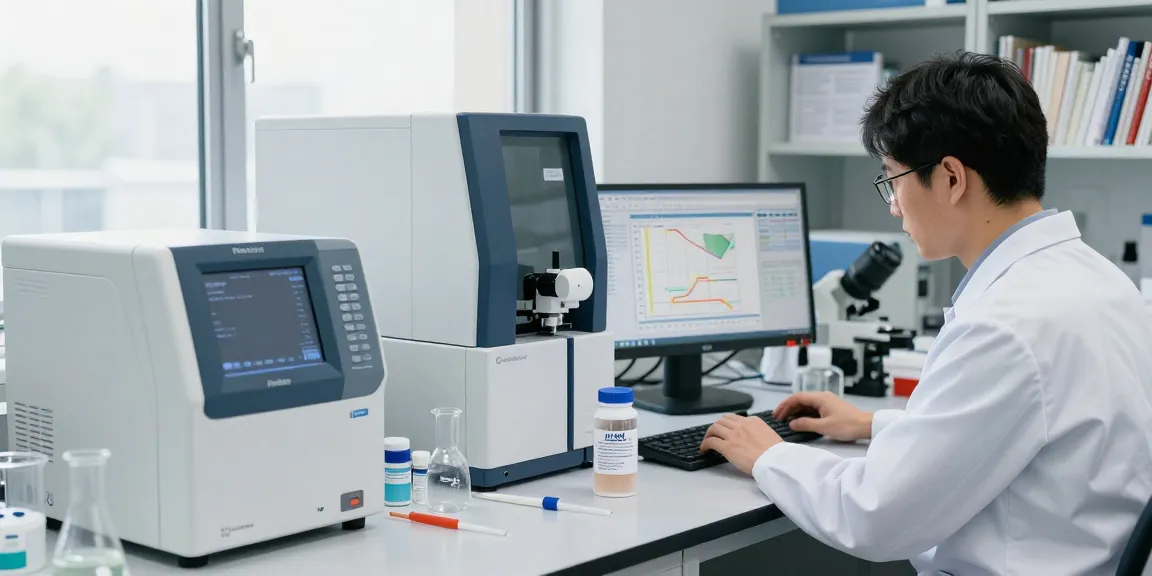
Koi Peptides employs advanced analytical techniques such as High-Performance Liquid Chromatography (HPLC) and Mass Spectrometry (MS) to evaluate the purity and identity of the KLOW stack components. HPLC separates the peptides from impurities, while MS provides detailed information regarding the molecular weight of each peptide, confirming their identity.
Identifying Quality Peptides: Pitfalls to Avoid
Researchers should be cautious of low-quality peptides, which can introduce errors into experimental results. Key indicators of quality include:
- Certification from reputable suppliers
- Access to comprehensive COAs
- Transparency about sourcing and testing methodologies
76% of Researchers: The Demand for Quality Sourcing
A recent survey indicated that 76% of laboratory researchers prioritize sourcing quality when purchasing peptide materials. This demand highlights the critical need for suppliers like Koi Peptides to provide transparent, traceable documentation, meeting the evolving standards of the field.
Future Trends in Peptide Research for 2026 and Beyond
The future of peptide research is poised for significant developments, especially with products like the KLOW stack leading the charge in innovation.
Emerging Research Directions Involving KLOW Stack
As scientists explore the complexities of human biology, multi-peptide blends like the KLOW stack are likely to play a central role in cutting-edge research. Anticipated areas of focus include:
- Regenerative Medicine: Exploring the therapeutic potentials of KLOW in healing and regeneration.
- Inflammatory Conditions: Leveraging KPV’s properties in managing chronic inflammation.
- Tissue Engineering: Investigating the use of peptides in developing biomaterials for tissue repair.
Technological Innovations Shaping Peptide Analysis
Emerging technologies in peptide analysis, such as AI-driven analytics and enhanced mass spectrometry techniques, promise to revolutionize how researchers characterize and validate peptide formulations like the KLOW stack. These innovations could lead to greater accuracy, faster results, and improved overall quality control.
Preparing for Regulatory Changes in Peptide Applications
With the evolving landscape of peptide applications, researchers must remain vigilant about regulatory changes, especially regarding synthetic peptides like BPC-157. Understanding these potential shifts will be crucial for maintaining compliance and ensuring the safe use of peptides in research.
What are the key benefits of using the KLOW stack?
The KLOW stack offers significant advantages, such as streamlined research protocols, enhanced reproducibility, and comprehensive documentation, making it a valuable addition to laboratory resources.
How can I verify the quality of a KLOW stack batch?
Researchers can verify the quality of a KLOW stack batch by consulting the Certificate of Analysis, which provides detailed information about the identity, purity, and endotoxin levels of the peptides.
What are the regulatory implications of BPC-157?
BPC-157 is classified as an unapproved substance by regulatory bodies, which impacts its legality in research and potential applications. Researchers must adhere to guidelines set forth by organizations such as USADA and WADA.
How does KLOW differ from other peptide stacks?
The main distinction between KLOW and other peptide stacks, like Glow, lies in the inclusion of KPV in the KLOW stack, which enhances its anti-inflammatory potential compared to the three-peptide formulation of Glow.
What future trends should researchers be aware of regarding peptides?
Researchers should stay informed about technological advancements in peptide analysis, shifts in regulatory environments, and the expanding applications of multi-peptide blends in regenerative medicine and other fields.