Understanding Gold Purity: The Basics of 24K and 22K
When delving into the world of gold, understanding the purity levels—24K and 22K—is essential for smart investment decisions. Gold purity is measured in karats, with 24K representing pure gold (99.9% gold content) and 22K representing 91.67% gold content. This distinction not only defines the quality but also impacts the value and usability of the gold in various applications, especially jewelry and investment products. For anyone looking to buy or sell gold in Bahrain, knowing these details is crucial in assessing the worth of their assets.
What Do 24K and 22K Mean?
24K gold is often regarded as the highest standard of gold available in the marketplace. Its purity level makes it highly sought after for investments and for creating gold bars. On the other hand, 22K gold, which is alloyed with other metals such as copper or silver, is commonly used in jewelry. This alloying improves the metal's strength and durability, making it suitable for everyday wear while still retaining a high level of gold purity.
How Purity Affects Value
Gold pricing is primarily influenced by purity; the higher the karat, the greater the value. This is particularly significant in Bahrain's evolving market. For instance, when evaluating the purchasing options through mantra88, investors can reference the latest pricing and purity levels to make informed decisions. While 24K gold commands a premium price, the affordability of 22K gold allows consumers to purchase larger pieces or more intricate designs without compromising too much on quality.
Choosing the Right Karat for Your Needs
Your choice between 24K and 22K gold should be influenced by your intended use. For investment purposes and holding in the form of bars or coins, 24K is the optimal choice. Conversely, for jewelry that requires durability and frequent wear, 22K may be more practical due to its higher resilience.
The Current Trends in Gold Pricing: Insights for 2026
As we look ahead to 2026, the trends in gold pricing are bound to be influenced by a variety of factors including economic stability, geopolitical tensions, and changing consumer behaviors. Investors and buyers alike need to remain vigilant about these influences to secure the best pricing on their gold assets.
Factors Influencing Gold Prices Today
The global economic landscape plays a crucial role in gold pricing. Key factors include inflation rates, currency fluctuations, and demand in emerging markets. With the current volatility in global markets, gold is often viewed as a safe-haven asset, leading to increased demand and subsequently higher prices. Additionally, the dynamics between the USD and BHD also contribute to the local gold market pricing in Bahrain.
The Impact of Global Markets on Gold Rates
Gold prices can directly respond to changes in the stock market and other financial instruments. During times of market downturns or uncertainty, gold often sees a surge in value as investors shift their assets to safer instruments. This correlation between gold and market performance suggests that those interested in gold investment should keep an eye on global economic indicators.
Anticipated Trends in Gold Pricing for 2026
Market analysts predict that gold prices will continue to rise steadily over the next few years, with certain spikes likely occurring in response to political instability or economic crises. Investors should consider diversifying their portfolios by including gold, especially in turbulent times when traditional investments may not perform as well.
Buying and Selling Gold: Best Practices for Customers
Navigating the buying and selling of gold can be overwhelming for many consumers. However, employing certain best practices can simplify the process and ensure better transactions. Whether you're a first-time buyer or an experienced investor, understanding the market and its ins and outs is key.
How to Evaluate a Gold Seller
Due diligence is paramount when evaluating gold sellers. Look for trusted retailers, read customer reviews, and ensure they provide transparent pricing information. A credible seller should have a clear return policy and be willing to answer any questions regarding the gold's purity and valuation.
Steps for Safe Transactions and Buyback Options
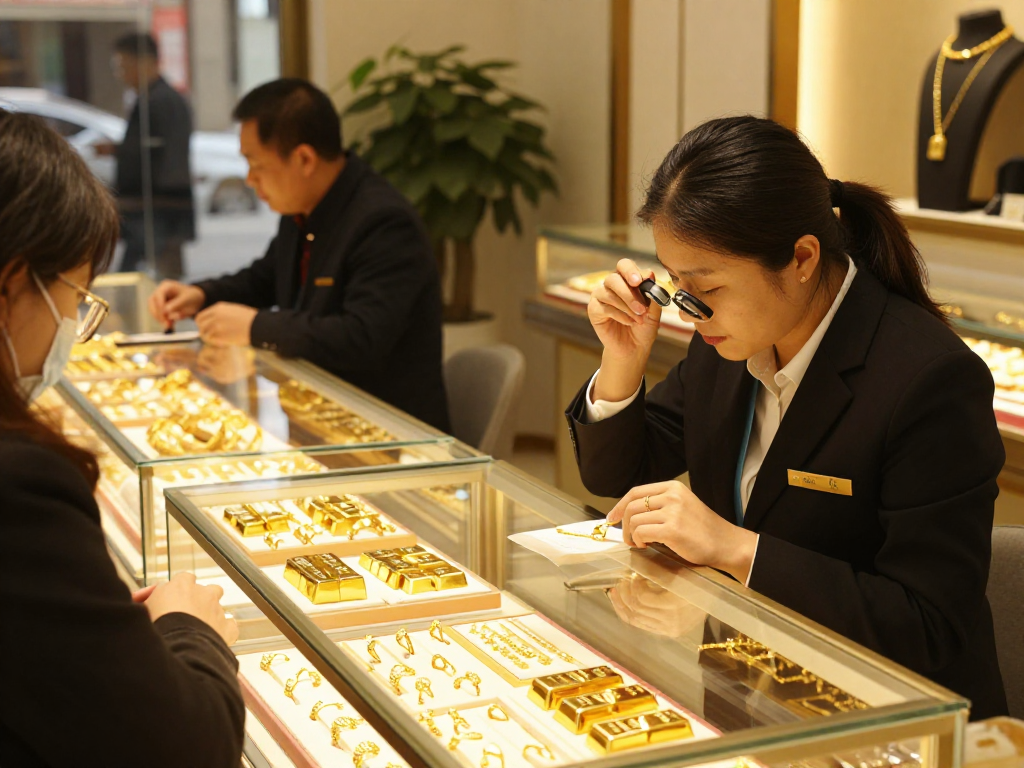
For safe transactions, always verify the seller’s credentials and ask for certificates of authenticity. When considering buyback options, inquire about the process—they should check the metal's purity and weight before offering a buyback price. Moreover, it’s advisable to obtain price estimates from multiple sellers to ensure a fair deal.
Understanding Gold Market Dynamics
The gold market can be volatile, influenced by various economic forces. Staying informed about how external factors impact gold prices can empower investors to make timely buying or selling decisions. This includes understanding the local context within Bahrain, where various factors may influence gold demand and pricing.
Calculating the Value of Gold: Tips and Tools
Understanding how to calculate the value of gold accurately is essential for any investor. This not only helps in making informed purchases but also assists in assessing the worth of existing gold assets.
Using Market Rates to Estimate Gold Value
To estimate gold value, begin by determining the current market rate per gram for the specific karat you hold. Multiply this rate by the weight of your gold to get a rough estimate. Keep in mind that local shop prices might vary due to additional factors like craftsmanship or store markup.
Gold Estimation Calculators: A How-To Guide
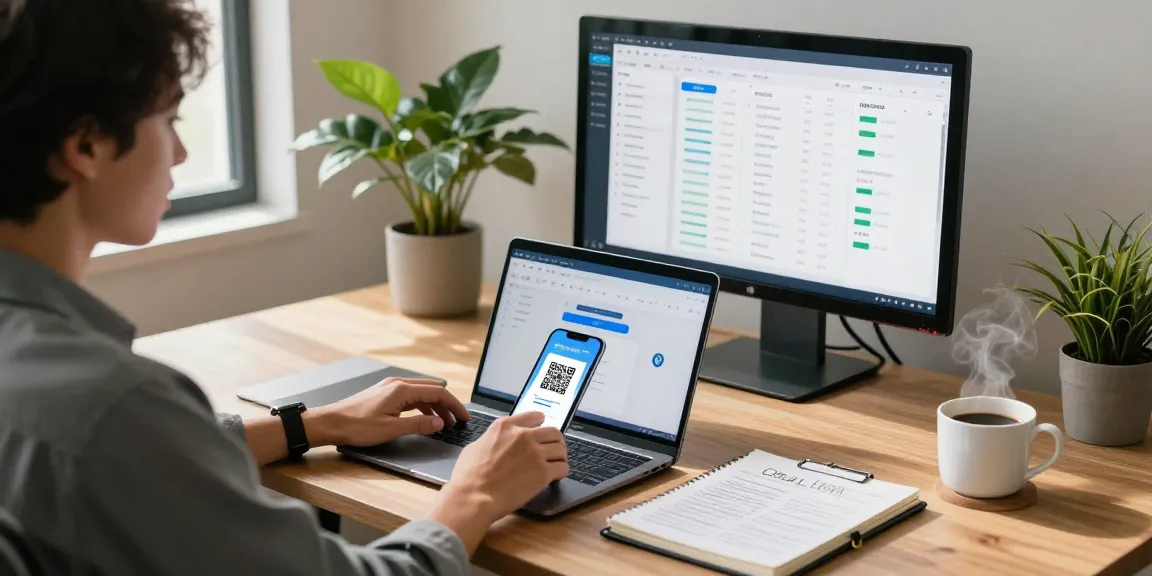
Online gold estimation calculators can provide quick insights into gold values. Enter the weight and karat, and the calculator will offer an estimated value based on current market rates. These tools can be especially helpful for those calculating future potential sales or purchases.
Factors That Affect Resale Value of Jewelry
The resale value of gold jewelry can be significantly affected by its craftsmanship, brand, and condition. Unique, branded items or those with intricate designs usually fetch a higher price in the resale market. Additionally, be cautious to consider the market demand for specific types of jewelry to optimize your resale value.
Frequently Asked Questions About Gold Investments
As gold remains a popular investment option, numerous questions arise among potential buyers. Understanding these inquiries can better prepare you for making gold-related investments.
What are the Risks of Buying Gold?
One major risk involves market fluctuations that can affect the value of your investment. Additionally, the potential for counterfeit gold necessitates caution when purchasing from unknown sources.
How to Store Your Gold Safely?
Gold should be stored securely, preferably in a safe deposit box or a personal safe. It's essential to ensure it is protected from theft or damage; using proper protective cases can also help retain its condition.
When Should I Sell My Gold?
Timing the market can be tricky. A good rule of thumb is to sell when prices reach historical highs or if personal financial needs arise. Regularly consulting market trends can give you a clearer picture of when to execute a sale.
What Makes Gold a Good Investment?
Gold is widely regarded as a hedge against inflation and currency fluctuations. Its intrinsic value and historical significance as a safe-haven asset make it an appealing option for many investors looking to diversify their portfolios.
Can I Trust Online Gold Sellers?
While numerous reputable online sellers exist, it's crucial to conduct thorough research to ensure you're dealing with a trustworthy vendor. Look for reviews, certifications, and clear return policies to assess their credibility.