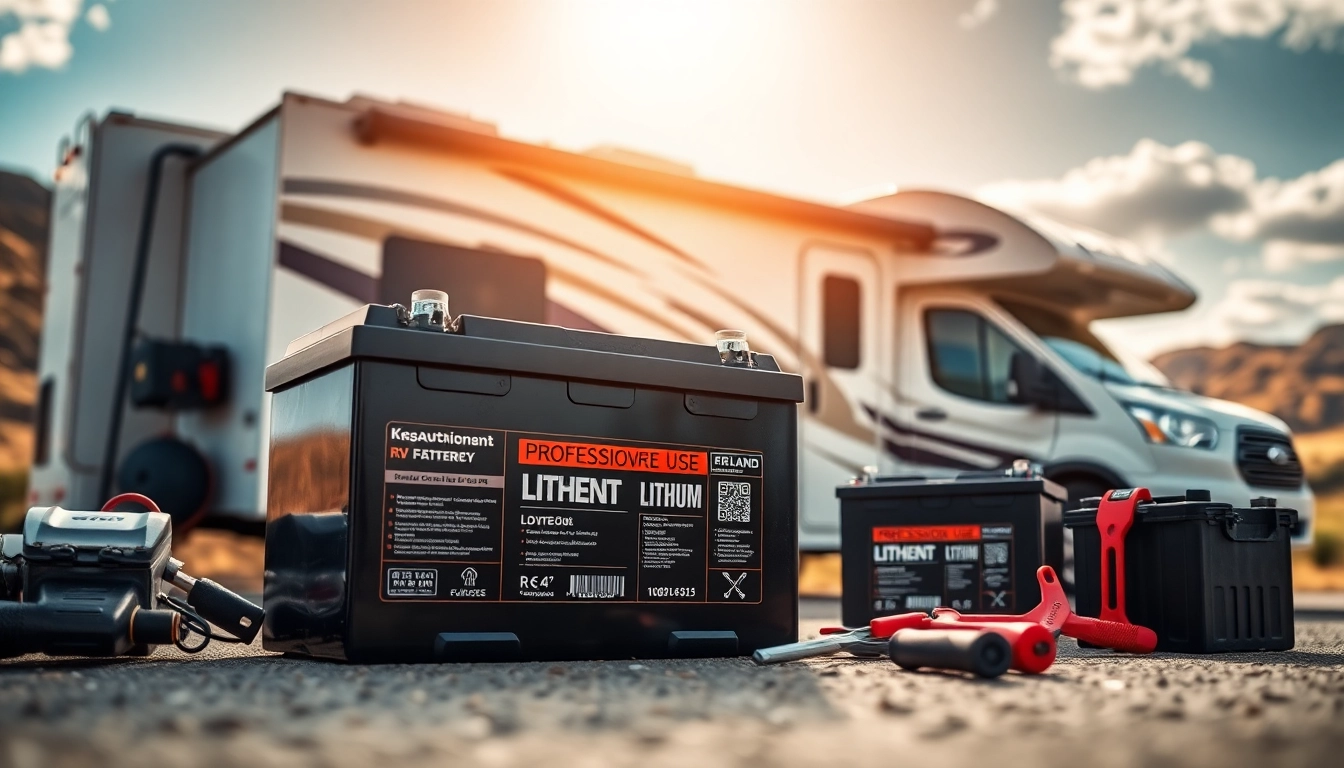
The Benefits of Lithium RV Batteries
In the realm of recreational vehicles (RVs), energy management plays a crucial role in ensuring an enjoyable experience. Among the various power solutions available, lithium RV batteries stand out as a modern and efficient option. Understanding their unique advantages can empower RV enthusiasts to travel with confidence and convenience.
Longer Lifespan Compared to Traditional Batteries
One of the primary benefits of lithium RV batteries is their remarkable lifespan. While traditional lead-acid batteries typically last about 500-800 cycles, lithium batteries can sustain up to 5000 cycles with minimal degradation. This extended durability means that RV owners can rely on their batteries for many years without the need for frequent replacements, resulting in long-term cost savings and less environmental waste.
Improved Efficiency and Performance
Efficiency is another area where Vatrer Power lithium RV batteries excel. These batteries deliver higher usable capacity compared to their lead-acid counterparts. A 100Ah lithium battery provides nearly 100% of its capacity for use, whereas a lead-acid battery may only effectively offer 50-60% before requiring recharging. The higher discharge rate ensures that RV owners have access to sufficient power for appliances such as fridges, lights, and electronics during their travels.
Environmental Advantages of Lithium Technology
In an era of increasing environmental awareness, the choice of battery technology can significantly impact our carbon footprint. Lithium RV batteries are not only more durable but also more eco-friendly. They contain no toxic heavy metals and can be recycled efficiently. The reduced need for replacements implies fewer batteries ending up in landfills, contributing to sustainable practices in the RV community.
Understanding Lithium RV Batteries Technology
Diving deeper into the technology behind 12V 300Ah Lithium Battery reveals why they are favored for mobile power solutions. Understanding what differentiates them and how to select the right type can help users make informed decisions.
What Makes Lithium Different?
The chemistry of lithium batteries differs significantly from traditional batteries. Lithium-ion cells allow for higher energy density, quicker charging times, and improved cycle life. Additionally, they can be discharged at a much lower temperature, which is beneficial for RV users who travel in varying climates. Moreover, lithium batteries do not suffer from “memory effect,” a limitation common in certain other battery types, allowing for greater flexibility in usage without impacting performance.
Types of Lithium RV Batteries: LiFePO4 vs. Others
When exploring lithium options, the type of lithium battery is critical. Lithium Iron Phosphate (LiFePO4) batteries are widely used in RV applications due to their safety, longevity, and ability to handle high charge and discharge rates. In contrast, other lithium types, such as Lithium Cobalt Oxide (LCO), while offering high energy density, come with stability and safety concerns that make them less suited for mobile applications. For RV owners, LiFePO4 often emerges as the clear choice.
How to Choose the Right Battery for Your RV
Selecting a lithium RV battery involves careful consideration of multiple factors including capacity (Ah), size, weight, and discharge rate. Factors such as daily energy needs, available space, and regular travel habits play crucial roles in determining the right capacity. Moreover, compatibility with existing systems and the option for expansion can guide decision-making to ensure a tailored fit for individual RV lifestyles.
Installation and Maintenance Best Practices
Once the decision is made to upgrade to lithium RV batteries, the installation and maintenance of these systems become critical for optimal performance and longevity. Following specific guidelines can ensure users get the most from their battery systems.
Preparation Steps for Installing Lithium RV Batteries
Installing lithium RV batteries requires a systematic approach: first, assess your RV's electric system to ensure compatibility. Remove old batteries cautiously and ensure all connections are secure in the new installation. A battery management system (BMS) is often recommended to enhance safety and manage charge-discharge cycles effectively. It’s also advisable to follow the manufacturer’s guidelines closely during installation for best results.
Routine Maintenance for Optimal Performance
While lithium batteries generally require less maintenance than traditional batteries, periodic checks are still beneficial. Inspect connections for corrosion and ensure terminals are clean. Monitoring the state of charge (SoC) and cycle performance can provide insights into the battery’s health. Apps and tools may exist to aid in this monitoring, hence enhancing efficiency during travels.
Signs That Your Lithium Batteries Need Replacement
Recognizing when a lithium battery needs to be replaced is vital. Some signs include noticeable performance drops, physical swelling, or failure to hold a charge. If the battery frequently trips the BMS or shows erratic voltage readings, these could be indicators of failure. Keeping a close watch on the performance metrics can significantly enhance safety and functionality.
Real-World Applications: Case Studies
Exploring real-world scenarios helps to illustrate the practical benefits of upgrading to lithium RV batteries beyond just theoretical advantages. Numerous RV owners have reported transformative changes after making the switch.
How Families Benefit from Upgrading
Families who transition to lithium batteries often find their RV experience revolutionized. For example, one family traveling with children noted that they could run multiple devices simultaneously, from entertainment systems to kitchen appliances, without depleting power. This enhanced reliability enables families to travel further and longer, creating memorable experiences on the road.
Boondocking Adventures Powered by Lithium
Boondocking, or off-grid camping, has gained popularity among RV enthusiasts. Lithium RV batteries are ideal for such adventures, as they can power essential devices for extended periods. One RV user highlighted a remote camping trip where their lithium battery system allowed them several days of power for lights and refrigeration without needing a charge. The lightweight and efficient nature of lithium technology proved invaluable.
Feedback from RV Owners on Battery Performance
Numerous RV owners report satisfaction with their lithium battery systems, especially in terms of performance and peace of mind. Feedback often highlights issues such as reduced weight in RV setups and faster charging times. Many owners emphasize that the confidence provided by having a reliable power source enables them to explore more remote areas without the fear of running out of energy.
Frequently Asked Questions About Lithium RV Batteries
Are lithium batteries worth it for an RV?
Yes, lithium batteries offer a longer lifespan, improved efficiency, and greater capacity, making them more cost-effective in the long run for frequent travelers.
How long will a 12V fridge run on a 100Ah lithium battery?
A 100Ah lithium battery can generally run a 12V fridge for about 2–3.5 days, depending on factors like power draw and ambient temperature.
What is the charging time for lithium RV batteries?
Charging time varies, but lithium batteries typically charge within 4-8 hours, significantly faster than traditional lead-acid options.
Can lithium batteries be charged with solar panels?
Absolutely. Lithium RV batteries are compatible with solar charging solutions, making them ideal for sustainable off-grid power storage.
What precautions should I take when using lithium batteries?
Ensure your system uses compatible chargers, avoid extreme temperatures, and regularly monitor battery health to maximize safety and longevity.