Understanding the Concept of Describing Team Dynamics
Effective communication in teams is essential for achieving goals and fostering collaboration. Describing team dynamics involves articulating the roles, interactions, and communication styles within a group. This process not only enhances interpersonal relationships but also drives productivity and innovation. When exploring options, describes it as a key skill that can transform the way teams operate, promoting a culture of transparency and engagement.
What Does "Describe" Mean in Team Contexts?
To "describe" in the context of a team encompasses more than just providing a recount of events. It involves detailing the team's characteristics, behaviors, and dynamics. This can include how members communicate, their emotional responses, and the collective attitudes towards challenges. A thorough description enables leaders to recognize strengths and weaknesses, facilitating informed decision-making.
Key Components of Effective Team Communication
- Clarity: Clear communication reduces misunderstandings and enhances team cohesion.
- Active Listening: Encouraging team members to listen attentively fosters an environment of respect and openness.
- Feedback: Constructive feedback helps in refining roles and expectations, thereby improving overall performance.
Overcoming Misconceptions about Team Collaboration
Misunderstandings often arise in teams due to stereotypes or preconceived notions about roles. For instance, the belief that leadership must come from a single person can stifle diverse contributions. By encouraging a culture where all voices are valued, teams can leverage the unique strengths of each member, ultimately enhancing collaborative efforts.
Challenges in Describing Team Interactions
Despite the importance of clear descriptions, various challenges can hinder effective communication. Identifying these barriers is the first step toward improving team dynamics and creating a more collaborative environment.
Identifying Common Communication Barriers
- Assumptions: Making assumptions about what others know can lead to gaps in understanding.
- Emotional Blocks: Personal issues can impact how individuals interact, leading to misinterpretations.
- Cultural Differences: Varied backgrounds can influence communication styles and expectations.
Strategies to Improve Team Descriptions and Engagement
To effectively describe and enhance team interactions, consider implementing these strategies:
- Regular Check-ins: Schedule consistent meetings to discuss team dynamics.
- Facilitated Discussions: Use a neutral party to guide conversations when conflicts arise.
- Role Clarity: Clearly define roles to prevent overlap and confusion.
Recognizing the Impact of Miscommunications
Miscommunications can lead to decreased morale and productivity. Understanding the ripple effect of these misunderstandings is crucial for maintaining a healthy team environment. For example, if a team member feels their contribution is undervalued, they may disengage from future collaborations.
Best Practices for Describing Ideas in Teams
Implementing best practices in describing ideas can facilitate smoother interactions and improved project outcomes. These practices focus on clarity and engagement.
Utilizing Visual Aids to Enhance Understanding
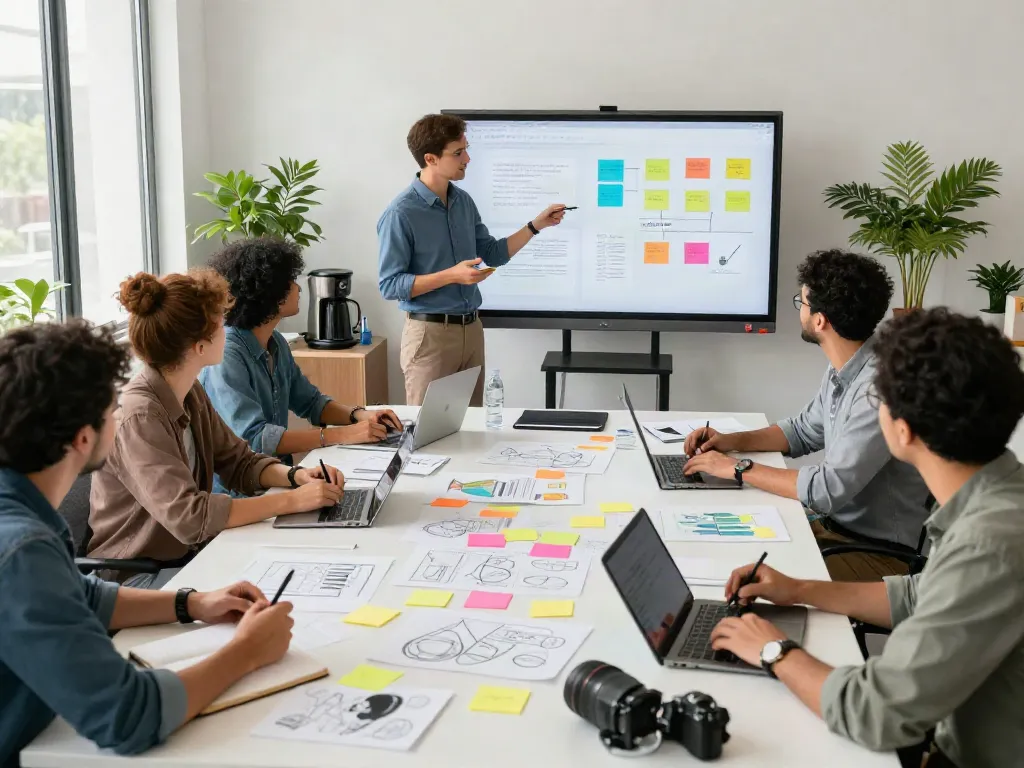
Visual aids can significantly improve the way ideas are conveyed among team members. Tools such as diagrams, charts, and slideshows provide a visual representation that can make complex information more accessible. This method enhances retention and comprehension, especially when discussing intricate topics.
Effective Techniques for Relaying Information
- Storytelling: Use real-life scenarios to illustrate points, making concepts relatable.
- Summarization: Regularly summarize discussions to ensure all team members are on the same page.
- Tailored Communication: Adjust the message based on the audience's knowledge and expertise.
Encouraging Open Dialogue and Feedback Loops
Creating a culture of open dialogue where team members feel safe to express their thoughts can greatly enhance collaboration. Establishing feedback loops—where input is sought and acted upon—ensures that team interactions are not only productive but also fulfilling for all parties involved.
Real-World Examples of Successful Team Descriptions
Examining real-world scenarios can provide valuable insights into how effective descriptions can impact team dynamics. Teams that harness the power of clear communication often yield better results.
Case Studies of Innovative Teams and Their Strategies
Consider the case of a tech startup that implemented weekly brainstorming sessions. By describing their ideas freely, team members felt empowered to innovate, leading to the successful launch of multiple products within a year. These sessions allowed for rapid feedback and adjustment, demonstrating the effectiveness of open communication.
How Describing Processes Led to Successful Outcomes
In a manufacturing company, the introduction of detailed process documentation helped reduce errors significantly. By clearly outlining each step in production, team members could identify potential pitfalls early, leading to enhanced quality control and customer satisfaction.
Analyzing Team Performance Through Effective Descriptions
Performance analysis can be significantly improved by employing comprehensive descriptions of team interactions. By regularly reviewing these descriptions, leaders can identify trends and make data-informed decisions that refine processes and enhance productivity.
Future Trends in Team Collaboration and Description
As we move towards 2026, the landscape of team collaboration is expected to evolve significantly. Understanding these trends is crucial for adapting and thriving in changing environments.
Emerging Technologies Influencing Team Workflows
Technological advancements such as project management software and collaborative platforms are reshaping how teams interact. Tools like Slack or Asana facilitate real-time communication, keeping team members connected regardless of their physical location. As technology continues to evolve, the way teams describe their dynamics and tasks will also shift.
The Role of AI in Enhancing Team Descriptions
Artificial Intelligence is poised to revolutionize the way teams analyze and describe their interactions. By leveraging AI tools for sentiment analysis and communication metrics, teams can gain deeper insights into collaboration effectiveness and address issues proactively.
Predictions for Team Dynamics in 2026 and Beyond
Looking ahead, we can expect more remote teams and a greater reliance on digital communication tools. As companies increasingly adopt hybrid work models, the ability to describe team dynamics succinctly and effectively will become even more vital. Teams that prioritize clear, engaging communication will have a distinct advantage in navigating these changes.
What is the best way to describe teamwork?
The best way to describe teamwork is by focusing on collaboration and mutual respect. Effective teams communicate openly, share responsibilities, and support each other in achieving common goals.
How can descriptions improve collaboration?
Clear descriptions improve collaboration by ensuring everyone understands their roles and responsibilities. When team members know what to expect from one another, they can work together more effectively, minimizing conflicts and misunderstandings.
What tools help in describing team dynamics?
Tools such as collaborative software, project management applications, and communication platforms can assist in describing team dynamics by providing forums for discussion, documentation, and feedback.
Why are accurate descriptions crucial for success?
Accurate descriptions are crucial for success as they establish a common understanding among team members, reduce ambiguity, and foster a collaborative spirit necessary for achieving goals.
What are some common mistakes in team communication?
Common mistakes include not providing enough context, failing to listen actively, and not encouraging open dialogue. These pitfalls can lead to misunderstandings and a breakdown in team cohesion.