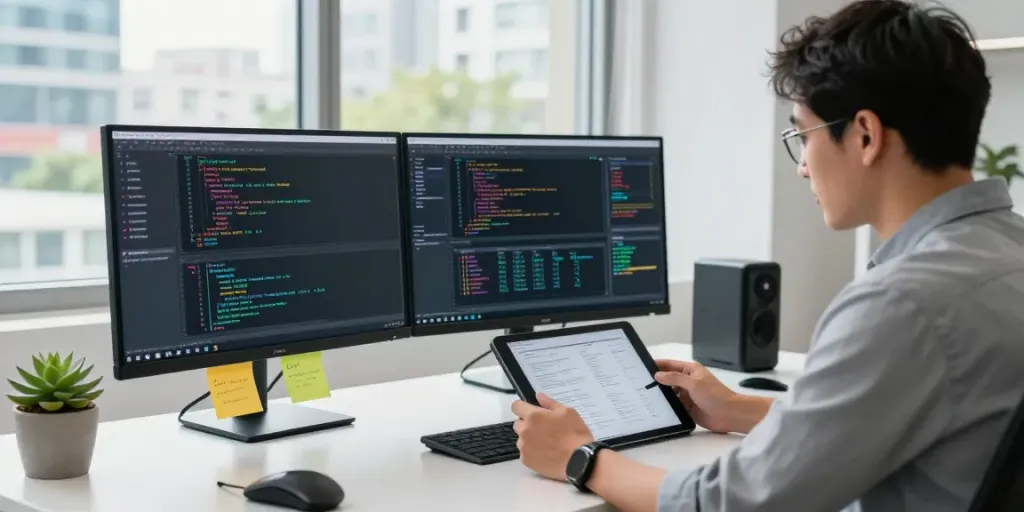
Understanding IT Support for Small Businesses
In today's digital age, the backbone of any small business rests on effective IT management and support. The seamless operation of technology can spell the difference between success and failure. While larger corporations might have dedicated IT departments, small businesses often rely on it support for small businesses to provide essential services that ensure robust infrastructure and operational efficiency. This article will delve into various aspects of IT support tailored specifically for small businesses, outlining its significance, types, best practices, and performance measurement.
Definition of IT Support
IT support encompasses a range of services aimed at maintaining, managing, and optimizing an organization’s technology infrastructure. For small businesses, IT support typically includes troubleshooting hardware and software issues, network setup, data management, cybersecurity, and regular maintenance of IT systems. The goal of IT support is to ensure that employees can work efficiently without technical interruptions, ultimately enhancing productivity and service delivery.
Common IT Challenges Faced by Small Businesses
Small businesses often face a myriad of IT challenges, including:
- Limited Resources: Many small businesses lack the necessary budget and personnel to manage complex IT requirements effectively.
- Cybersecurity Threats: Small businesses are increasingly targeted by cybercriminals who perceive them as easy prey due to weaker security measures.
- Data Management: Handling and protecting sensitive data can be overwhelming without proper IT systems and protocols.
- Adapting to Technological Changes: Keeping up with rapid advancements in technology can be challenging, leading to outdated systems and processes.
Importance of Reliable IT Support
Having reliable IT support is critical for small businesses. Efficient IT support provides not only the day-to-day technical assistance needed to solve operational issues but also strategic insights that can guide business decisions. It can enhance productivity through streamlined processes, ensure compliance with legal requirements, protect against cyber threats, and foster an innovative environment by integrating new technologies. Thus, strong IT support can propel small businesses toward achieving their goals.
Choosing the Right IT Support Services
Types of IT Support for Small Businesses
Small businesses can select from various IT support services to meet their specific needs:
- Managed IT Services: This involves outsourcing IT responsibilities to a service provider who manages everything from network monitoring to security.
- On-Demand IT Support: Perfect for businesses that require occasional technical assistance, this model allows businesses to pay for support as needed.
- Cloud Services: Utilizing cloud computing solutions can enhance flexibility and scalability but requires robust support to manage effectively.
- Consulting Services: IT consultants can offer strategic advice and implementation services to align technology solutions with business objectives.
Evaluating Service Providers
Choosing the right IT support provider is crucial. Here are some key factors to consider when evaluating potential service providers:
- Experience and Expertise: Review a provider’s track record and areas of specialization, ensuring they understand the unique challenges faced by small businesses.
- Customer Reviews: Look at testimonials and case studies from previous clients to gauge satisfaction levels and successful outcomes.
- Response Time and Support Availability: Ensure the provider offers timely support with adequate availability, especially for critical issues that could disrupt business operations.
- Scalability: Select a provider that can grow with your business, adapting to changing needs and increasing requirements.
Cost Considerations
When evaluating IT support options, cost is a key factor for small businesses. Costs can vary significantly depending on the services required, the complexity of your IT infrastructure, and the provider's pricing model. Here are some considerations:
- Budgeting for IT Services: Set a realistic budget that considers both immediate needs and future growth.
- Understanding Pricing Models: Be aware of various pricing structures, such as fixed monthly fees versus pay-as-you-go models, to choose what fits your business better.
- Hidden Costs: Clarify all potential additional costs upfront, including hardware, software licenses, and upgrade fees.
Implementing Effective IT Support Solutions
Establishing IT Support Protocols
Creating robust IT support protocols helps streamline the response to IT issues and ensures consistency in service delivery. Key elements include:
- Incident Reporting Procedures: Establish clear guidelines for how employees should report IT issues to minimize downtime.
- Service Level Agreements (SLAs): Define the expected response times and service quality to hold the IT support provider accountable.
- Regular Maintenance Routines: Schedule consistent system checks and maintenance to preemptively address potential issues.
Integrating Technology Tools
Utilizing the right tools and software can enhance IT support efficiency and effectiveness.
- Help Desk Software: Implementing a help desk system can streamline communication between the support team and users.
- Remote Access Tools: These tools allow technicians to resolve issues more quickly by diagnosing and fixing problems remotely.
- Monitoring Software: Continuous network monitoring can detect potential problems before they escalate into critical issues.
Training Staff on IT Solutions
Investing in staff training is essential for maximizing the effectiveness of IT support. Providing ongoing training ensures that employees are familiar with the tools and protocols necessary to navigate technical issues independently. Topics to cover include:
- Basic Troubleshooting: Teach staff how to resolve common issues before escalating them to IT support.
- Cybersecurity Awareness: Ensuring employees are aware of cybersecurity protocols can significantly enhance the organization's security posture.
- Using New Tools: Regular training sessions on any new software or technologies will help staff adapt efficiently.
Performance Metrics for IT Support
Measuring Success: Key Indicators
Tracking performance metrics will help you assess the effectiveness of your IT support services. Key performance indicators (KPIs) to consider include:
- Response Time: Measure how quickly the IT support team responds to requests and resolves issues.
- Issue Resolution Rate: Track the percentage of issues resolved in the first contact versus those that require multiple interactions.
- User Satisfaction: Survey employees to gather feedback on their experience with IT support services.
Feedback Mechanisms
Establishing feedback mechanisms allows for continuous improvement of IT support services. Consider implementing:
- Surveys: Regularly survey employees after support interactions to gauge satisfaction levels and identify areas for enhancement.
- Review Meetings: Conduct periodic review meetings with IT support teams to discuss performance metrics and gather suggestions for improvement.
Continuous Improvement Strategies
Adopting a culture of continuous improvement can significantly enhance IT support services. Strategies might include:
- Regular Training and Development: Ensure that IT support staff receive ongoing education to stay updated on the latest technologies and trends.
- Leveraging User Feedback: Allow employee input to guide enhancements in IT processes and support offerings.
- Benchmarking Against Best Practices: Regularly assess IT support practices against industry standards to identify gaps and implement improvements.
FAQ on IT Support for Small Businesses
What is IT support for small businesses?
IT support for small businesses refers to a range of services that help manage and troubleshoot technology-related issues, ensuring systems are functional and secure.
How can IT support enhance productivity?
IT support enhances productivity by minimizing downtime, resolving technology issues swiftly, and enabling employees to focus on their core tasks without tech-related interruptions.
What should I look for in an IT support provider?
Look for experience, client reviews, response time, availability, and scalability when choosing an IT support provider for your business.
Are there affordable IT support options?
Yes, small businesses can find affordable IT support options such as on-demand services or managed services, depending on their resources and needs.
How do I know if I need IT support?
If your business experiences frequent tech issues, lacks in-house expertise, or is expanding, it’s time to consider investing in IT support services.
Connection Technologies Contact Information
Head Office Address:Fareham Innovation Centre, Merlin House, 4 Meteor Way, Fareham, Lee-on-the-Solent, PO13 9FU, United KingdomEmail Us:[email protected]Email Us:[email protected]Email Us:[email protected]Email Us:[email protected]Phone Number:0333 015 2615Opening Hours:Monday To Thursday: 9:00 AM To 5:30 PMOpening Hours:Friday: 9:00 AM To 4:30 PM