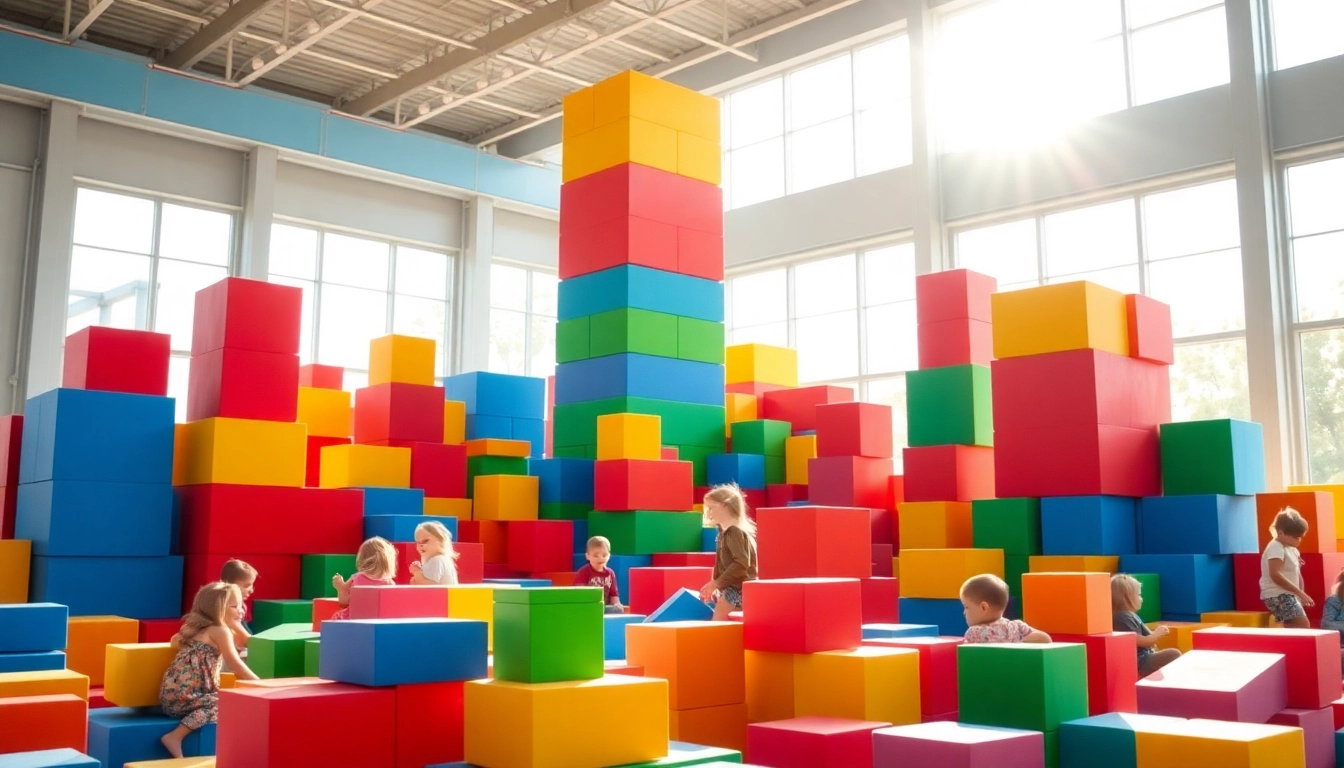
Benefits of Giant Building Blocks for Kids
Boosting Creativity and Imagination
Giant building blocks open the gateway to unbounded creativity, allowing children to explore their imaginative capabilities. With these versatile toys, kids engage in open-ended play, constructing anything from towering skyscrapers to whimsical castles. As they visually plan and execute their designs, children also learn to think critically about space and balance. The tactile experience of fitting and stacking blocks encourages free expression, fostering an environment where imagination knows no limits. When children get the details about various design techniques and methods, they can enhance their imaginative outputs even further.
Enhancing Motor Skills
Building with giant blocks is not only fun but also a practical approach to developing essential motor skills. When children stack, arrange, and maneuver large blocks, they activate various muscle groups, improving fine and gross motor skills. Grasping blocks requires hand-eye coordination, while balancing them engages core muscles and enhances stability. This play is pivotal for toddlers and young children, as they refine their dexterity while learning the laws of physics in a playful format. As children build increasingly complex structures, their confidence and physical abilities grow, creating a positive feedback loop of excitement and skill acquisition.
Encouraging Social Interaction
Giant building blocks create a shared space for cooperation and collaboration among children. When playing together, kids practice social skills such as teamwork, negotiation, and communication. Multi-child play scenarios offer opportunities for role-playing and developing interpersonal skills, as children share ideas about what to build and how to execute their plans. These interactions set the tone for future friendships and group dynamics, instilling essential social behaviors in a natural and enjoyable way. Meanwhile, children also learn to manage challenges, such as compromise and patience, all while engaging in constructive play.
Choosing the Right Giant Building Blocks
Material Types and Durability
When it comes to purchasing giant building blocks, understanding the various material types is critical for ensuring durability and safety. Blocks typically come in foam, wood, and plastic. Foam blocks are lightweight, easy to handle, and soft, reducing the risk of injury during falls. Wooden blocks, while heavier and more durable, may pose safety hazards if not managed properly. Plastic blocks are often water-resistant and can be easier to clean, but they can lack the tactile experience that foam or wood provides. Assessing the intended use environment can guide the selection process, whether indoors or outdoors.
Sizes and Shapes Available
Giant building blocks come in various sizes and shapes, each offering unique play opportunities. Larger blocks can promote the construction of monumental structures, while smaller sets allow for finer details and intricate designs. Square, rectangular, and curved shapes can foster different styles and techniques in building, prompting children to think innovatively about their structures. Therefore, it’s critical to consider the age range of children who will be playing with the blocks, as younger kids may benefit more from larger, easier-to-handle pieces while older children may be ready for more diverse sets.
Safety Considerations
Safety is paramount when selecting giant building blocks. Look for products that meet safety standards, are non-toxic, and do not have sharp edges that might cause injury. Soft foam blocks, for instance, are an excellent choice for young kids, as they minimize the risk of bumps and bruises during play. Additionally, regular maintenance and inspections of the blocks for wear and tear can further ensure a safe play environment. Parents should also create designated play areas where children can explore building without hazards, promoting a focus on safety along with creativity.
Engaging Play Ideas with Building Blocks
Interactive Building Challenges
Hosting interactive building challenges can elevate playtime into an exciting learning opportunity. Set specific goals, such as constructing the tallest tower or a replica of a favorite landmark. Children can work individually or collaboratively, encouraging teamwork as they strategize approaches to overcome obstacles. Such challenges can develop critical thinking and problem-solving abilities, as children must analyze what works best for their designs. Additionally, varying challenges can cater to different interests, such as art-inspired builds or engineering feats, ensuring each session is fresh and exciting.
Constructing Themed Structures
Themed structures allow for creative storytelling to flourish. Children can be prompted to construct a castle, a spaceship, or a forest. This play not only enhances their building skills but also incorporates narrative elements that foster communication. By acting out scenarios related to their built environment, kids develop their social skills and learn to embody different characters or roles. The blending of imaginative storytelling with physical construction adds depth to the play experience, transforming simple blocks into integral components of each child's adventure.
Incorporating Educational Games
Building blocks also offer rich integration opportunities for educational games. For instance, parents can create math challenges by having children count blocks or solve simple arithmetic problems using their structures. Similarly, kids can learn about geometry and spatial awareness, as they manipulate blocks into various shapes and forms. Incorporating these educational elements can turn playtime into a learning experience, enriching children's understanding of fundamental concepts in an organic manner while sparking their innate curiosity.
Setting Up Quality Play Spaces
Designing a Kid-Friendly Environment
A well-designed play space can significantly enhance a child's building experience. Create areas that are spacious enough for movement, lined with soft mats to provide cushioning. Decor can include inspirational images or color themes relevant to building projects. Furthermore, ensure that there are ample storage solutions nearby, allowing kids to quickly access blocks and other play materials. An inviting atmosphere can stimulate creativity while providing a safe area for active play.
Managing Space and Organization
Organization is a key element in fostering a successful play experience. Sections for different types of blocks can be established, making it easy for children to find exactly what they need to complete their designs. Utilizing bins, shelves, or even rolling carts can encourage responsibility as children learn to sort and put away their own materials. This organization can also prevent play area clutter, creating an optimal environment for uninterrupted imaginative play.
Essential Play Equipment to Complement Blocks
While giant building blocks are a fantastic starting point, complementary play equipment can enhance the building experience. Items such as art supplies, templates, or building guides can aid children in conceptualizing their designs. Incorporating tools like measuring tapes or safety goggles can also encourage role-play scenarios, introducing children to construction work in a fun way. These additional components can further enrich the learning environment, turning simple block play into a holistic educational journey.
Maintaining and Caring for Your Building Blocks
Cleaning and Storage Tips
To ensure the longevity of giant building blocks, proper cleaning and storage are important. Regularly wipe down foam and plastic blocks with mild soap and water to eliminate germs and dirt. Wood blocks might require special cleaning products to maintain their finish and integrity. When storing, opting for breathable containers can help protect materials from moisture, while ensuring that all pieces are accounted for. Implementing these care strategies will maximize the usability and lifespan of the blocks.
Signs of Wear and When to Replace
Being observant about the condition of building blocks is vital for safety and usability. Signs of wear, such as frays in foam blocks or cracks in wooden blocks, can indicate it might be time for a replacement. For soft foam options, checking for changes in firmness or shape can also signal deterioration. Keeping an eye on the condition of these play materials ensures a safe and enjoyable experience for children.
Maximizing Lifespan of Play Materials
To maximize the lifespan of your building blocks, consider implementing a routine maintenance protocol. Rotate blocks to distribute wear evenly and discourage focused deterioration in particular areas. Encourage kids to treat materials respectfully and remind them of the importance of keeping play areas organized. Addressing minor issues promptly can prevent them from becoming major problems, preserving the fun and educational opportunities that these toys provide.
Frequently Asked Questions
What age group is ideal for giant building blocks?
Giant building blocks are suitable for a wide range of ages, starting from toddlers up to preschoolers. Always select blocks that match the child's developmental stage for safe play.
Are foam blocks safe for young children?
Yes, foam blocks are designed to be soft and lightweight, making them a safe option for young children to play with, minimizing the risk of injuries.
How do I clean foam building blocks?
Clean foam blocks with a mild soap diluted in water. Wipe them down with a soft cloth, then allow them to dry completely before storing.
Can building blocks support outdoor play?
It depends on the material. Many foam and plastic blocks can be used outdoors, but ensure they are weather-resistant and suitable for outdoor conditions.
How can I integrate learning with block play?
Incorporate educational games like counting, shapes, or measurement challenges into block play. This enriches the play experience with learning opportunities.