Understanding Facial Analysis Technology
In the rapidly evolving landscape of aesthetic assessment, facial analysis technology has emerged as a cornerstone for both consumers and professionals. With brands like ClinicEvo and QOVES at the forefront, the ability to assess facial features through advanced algorithms and artificial intelligence is transforming how individuals perceive beauty and make decisions about aesthetic improvements. These innovative platforms employ sophisticated techniques to offer personalized insights and recommendations, making them indispensable tools for anyone considering cosmetic enhancements. When exploring options, ClinicEvo vs QOVES provides comprehensive insights into the differences and benefits of these two major players in the market.
What is Facial Analysis?
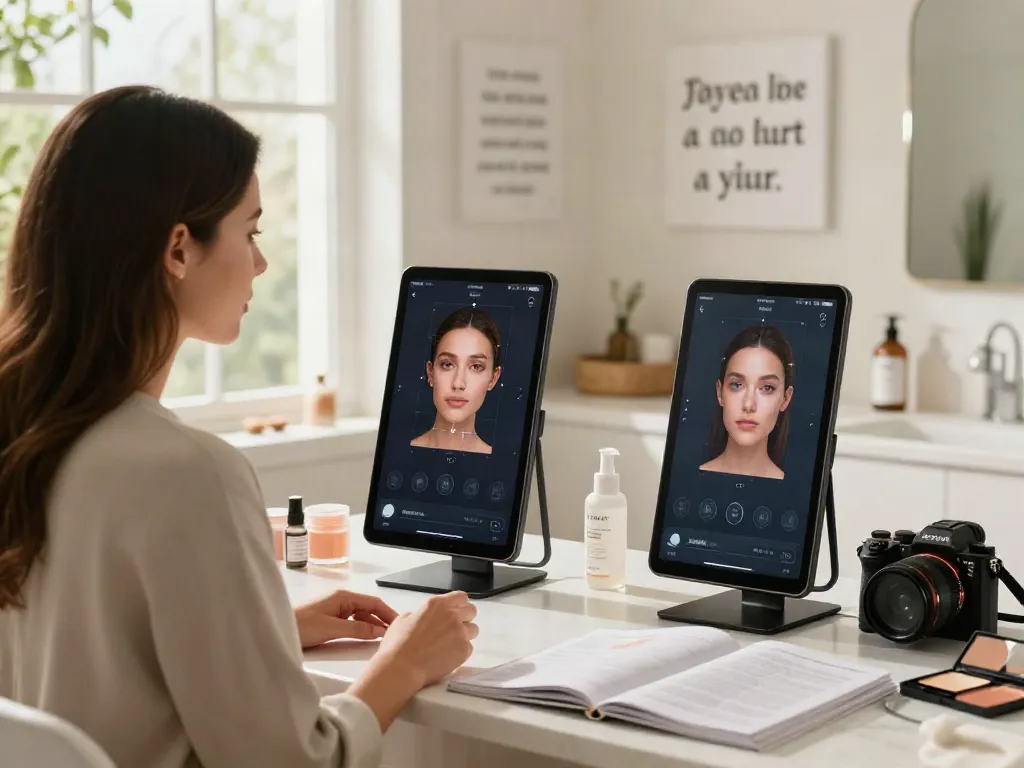
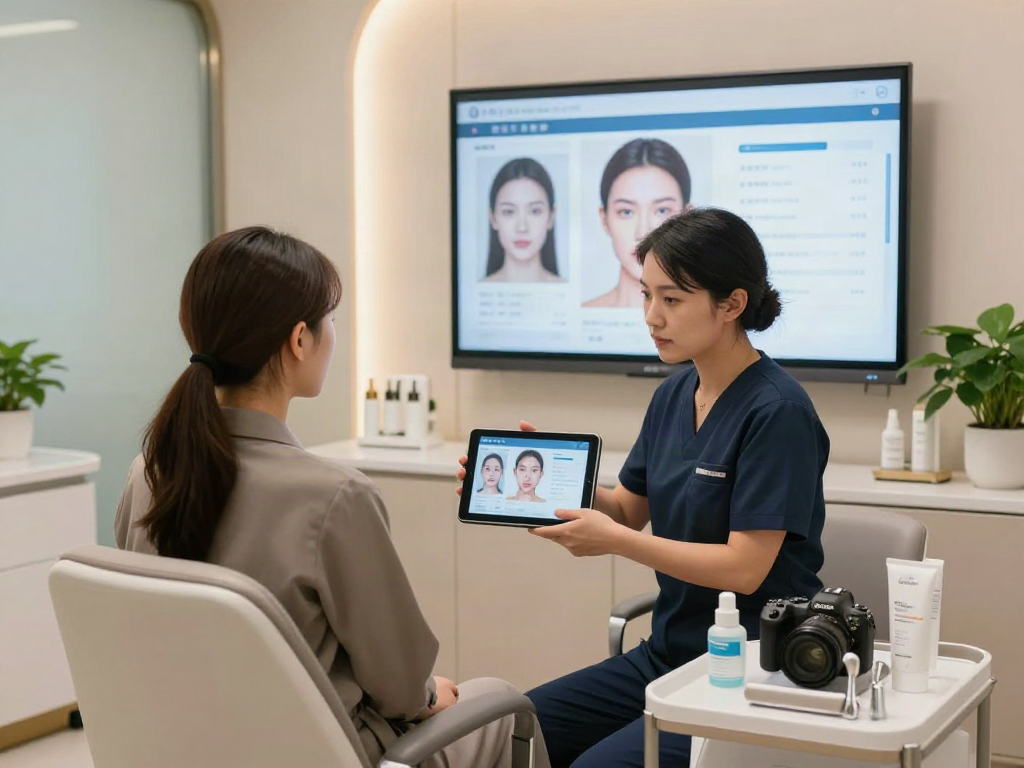
Facial analysis refers to the systematic evaluation of facial features using technology that combines computer vision, machine learning, and data analytics. This evaluation can reveal a wealth of information, including symmetry, proportion, and overall facial aesthetics. The primary goal is to provide a detailed portrait of an individual's facial structure, which can then guide users in making informed decisions regarding cosmetic alterations, skincare, and wellness practices.
How ClinicEvo and QOVES Differ in Approach
While both ClinicEvo and QOVES leverage artificial intelligence for facial analysis, their approaches differ significantly. ClinicEvo utilizes advanced computer vision technology to create a thorough assessment that allows users to control their aesthetic outcomes actively. It offers personalized, evidence-based recommendations that are easily understood and actionable.
On the other hand, QOVES emphasizes a clinical approach to facial analysis, providing patients with an extensive report that outlines potential aesthetic enhancements aligned with surgical options. This service is particularly beneficial for individuals considering more drastic transformations, as it offers a roadmap for surgical decisions based on data.
Benefits of Using AI in Aesthetic Assessments
The integration of AI in aesthetic assessments provides numerous advantages:
- Objectivity: AI eliminates subjectivity by relying on data rather than personal opinions, ensuring accurate evaluations.
- Personalization: Both platforms tailor recommendations based on individual facial structures, resulting in bespoke advice that caters to unique needs.
- Efficiency: Automated analysis saves users time by providing immediate insights, eliminating lengthy consultations.
Comparative Analysis of ClinicEvo vs QOVES
Key Features of ClinicEvo
ClinicEvo boasts a range of features designed to enhance user experience:
- Comprehensive Reports: Users receive detailed reports that analyze their facial features alongside actionable suggestions for improvement.
- User Control: Unlike many services, ClinicEvo empowers users to make decisions about their aesthetic journey based on their reports.
- Accessible Interface: The platform is user-friendly, making it easy for individuals to navigate their personal aesthetic assessments.
Overview of QOVES Services
QOVES offers a suite of services aimed at providing in-depth facial analysis:
- Clinical Insights: The service is designed to appeal to those considering surgical options, providing a thorough breakdown of potential enhancements.
- Detailed Reports: Clients receive extensive documentation regarding their facial structure and recommendations for aesthetic improvements.
- Community Feedback: QOVES fosters a community where users can share experiences and transformations, adding a social element to their services.
User Experience and Client Feedback
Both ClinicEvo and QOVES have gathered considerable feedback from users. ClinicEvo's clients often praise the clarity and practicality of their reports, citing the ease of understanding as a major benefit. Users report feeling more empowered in their aesthetic choices, largely due to the personalized and actionable insights provided.
Conversely, QOVES clients highlight the depth of analysis and the thoroughness of their reports, especially those interested in surgical enhancements. However, there are critiques regarding the level of complexity in the findings, which may overwhelm some users.
Real-World Applications and Results
Case Studies: ClinicEvo Success Stories
Many users of ClinicEvo have reported significant transformations following their recommendations. For instance, a user who struggled with asymmetry in their facial features utilized ClinicEvo's insights to craft a tailored skincare and aesthetic plan, resulting in improved self-confidence and a more balanced appearance.
QOVES Transformations: User Testimonials
QOVES has also amassed a wealth of testimonials from users who have undergone substantial aesthetic transformations based on their analyses. For example, a user shared their journey of using QOVES's insights to identify features they wanted to enhance. After following their tailored recommendations, they experienced a remarkable glow-up, showcasing how detailed feedback can inspire tangible changes.
Comparative Results: ClinicEvo vs QOVES
While both platforms can lead to successful outcomes, the results can vary greatly depending on individual goals and the extent of desired changes. ClinicEvo's emphasis on user agency may appeal to individuals seeking subtle enhancements and personal empowerment, while QOVES is tailored towards those contemplating more significant surgical procedures.
Challenges and Considerations in Aesthetic Analysis
Common Misconceptions About Facial Analysis
Despite the advancements in facial analysis technology, several misconceptions persist. One key misunderstanding is that these assessments are only for individuals seeking surgical enhancements. In reality, both ClinicEvo and QOVES provide valuable insights that can benefit anyone interested in understanding and improving their facial aesthetics, regardless of their goals.
Potential Limitations of Each Service
While both services offer sophisticated analyses, they are not without limitations. ClinicEvo's recommendations may not be as comprehensive for those primarily interested in surgical enhancements, whereas QOVES might not cater effectively to users wanting subtle changes or non-invasive options. Understanding these limitations is crucial for users to set realistic expectations.
Expert Tips for Maximizing Results
To achieve the best outcomes from facial analysis, consider the following tips:
- Set Clear Goals: Determine what you hope to achieve before engaging with either platform. This clarity will guide your decisions moving forward.
- Be Open to Feedback: Embrace the recommendations provided, even if they suggest changes you hadn't considered initially.
- Consult Professionals: Use the insights gained from these platforms as a starting point for discussions with aesthetic professionals.
The Future of Facial Analysis in Aesthetics
Emerging Trends in 2026 and Beyond
As facial analysis technology continues to advance, emerging trends for 2026 and beyond are likely to include greater integration of augmented reality (AR) for virtual try-ons and more sophisticated AI algorithms that refine personalized recommendations. These advancements will make it even easier for users to visualize potential outcomes before making decisions.
How Technology is Shaping Aesthetic Treatments
The influence of technology on aesthetic treatments is profound. From AI-driven recommendations to enhanced imaging techniques, the future promises an increasingly data-driven approach to beauty. This evolution will empower consumers with more information, allowing for informed choices that align closely with their aesthetic desires and goals.
Predictions for the ClinicEvo and QOVES Landscape
Looking ahead, both ClinicEvo and QOVES are poised to expand their services, potentially introducing hybrid models that combine both non-surgical and surgical recommendations. As competition increases, each platform will likely strive to enhance user experience, cultivate community engagement, and advance their technological capabilities, ensuring that they remain at the forefront of facial analysis technology.
What are the main differences between ClinicEvo and QOVES?
In essence, the main differences between ClinicEvo and QOVES revolve around their approach to facial analysis. ClinicEvo provides a more user-centric experience, focusing on empowering individuals with actionable insights, while QOVES caters to those considering surgical enhancements, offering in-depth clinical assessments.
Can I trust the results from these facial analysis services?
Both ClinicEvo and QOVES employ sophisticated algorithms and rely on scientific principles for their analysis, making their results generally trustworthy. However, users should approach the findings with personal goals and context in mind.
How do I choose between ClinicEvo and QOVES?
Your choice between ClinicEvo and QOVES should depend on your aesthetic goals. If you're looking for subtle enhancements and personalized guidance, ClinicEvo may be the better fit. Conversely, if you're considering surgical options and desire in-depth clinical insights, QOVES would be more suitable.
What kind of results should I expect from a facial analysis?
Results from facial analysis can vary widely based on individual goals and the level of detail in the report. Users can expect clear recommendations tailored to their unique facial features, whether they seek subtle changes or significant transformations.
Are there any risks involved with facial analysis technology?
While the technology itself poses minimal direct risks, users should be cautious about over-reliance on automated assessments. It's essential to view the results as a guide rather than an absolute directive, and always consult with professionals before undertaking significant aesthetic changes.