The Allure of Tree House Life
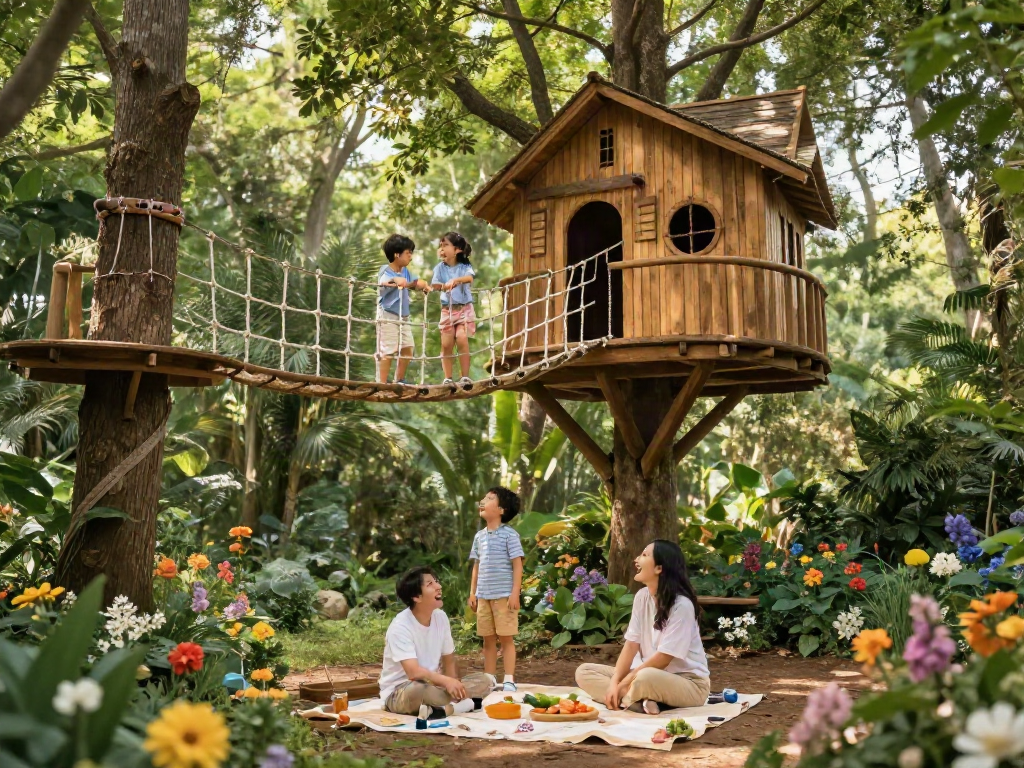
Tree houses epitomise the intersection of creativity and nature, offering a unique living space that transcends traditional home design. The charm of tree house life lies in the ability to reconnect with nature while enjoying comfort and luxury. As urban areas become increasingly congested, the desire for tranquil retreats within nature is growing, making tree houses an appealing alternative for many. For those seeking innovation, elegance, and a touch of adventure, exploring options at tree house life can offer comprehensive insights into building and living in these bespoke spaces.
1. What Makes Tree House Life so Appealing?
The allure of tree house living is multifaceted. First and foremost, tree houses provide a sense of sanctuary, elevated from the hustle and bustle of daily life. They are often crafted from natural materials, blending seamlessly with their environment. This unique architectural form also evokes a sense of childhood nostalgia for many, rekindling memories of playing and exploring in nature. Furthermore, the design possibilities are virtually limitless, allowing homeowners to tailor their tree houses to their desires, whether they prefer rustic charm or modern elegance.
2. Key Benefits of Living in a Tree House
Living in a tree house offers numerous benefits, both practical and psychological. Some key benefits include:
- Connection to Nature: Tree houses are often surrounded by foliage and wildlife, promoting a serene living environment.
- Reduced Environmental Impact: Many tree houses are constructed using sustainable materials and are designed to have a minimal footprint.
- Enhanced Privacy: Elevated spaces often provide a sense of seclusion, making them ideal for relaxation and retreat.
- Unique Aesthetic Appeal: The unconventional design can serve as a stunning focal point in any property.
3. Emotional and Psychological Advantages
Tree house living excels in fostering mental well-being. Research indicates that residing in nature can significantly reduce stress levels and enhance overall mood. The simple act of being surrounded by trees and natural beauty can lead to improved focus and creativity, making tree houses excellent spaces for artists and writers. Additionally, the experience of climbing up into a tree house can instil a sense of adventure and playfulness that is often lost in adult life.
Designing Your Perfect Tree House
Designing a tree house is not just about aesthetics; it requires thoughtful consideration of various factors to ensure safety, comfort, and sustainability. The following sections will guide you through essential elements that contribute to a well-designed tree house.
1. Essential Design Features for Comfort
To create a comfortable and functional tree house, consider incorporating the following design features:
- Open Floor Plans: This enhances airflow and creates a spacious feel.
- Large Windows: Ample natural light can significantly improve the ambiance.
- Efficient Insulation: Proper insulation ensures comfort throughout the year.
- Natural Materials: Using wood and other organic materials enhances the aesthetic and promotes a natural look.
2. Choosing the Right Location and Trees
The choice of tree and location is crucial for the stability and safety of your tree house. Look for strong, healthy trees with deep root systems and sturdy branches. It’s advisable to consult with an arborist to ensure the selected tree is appropriate for building. Additionally, consider the tree house's position in relation to sunlight, wind, and views; an ideal location offers a balance of shade and light.
3. Sustainable Materials and Eco-Friendly Practices
Incorporating sustainable materials into your tree house project will not only reduce your environmental impact but also enhance the longevity of the structure. Options include:
- Reclaimed Wood: An eco-friendly option that adds character and charm.
- Non-Toxic Finishes: Ensure that paints and treatments are safe for both human health and the surrounding ecosystem.
- Solar Panels: Harnessing solar energy can make your tree house energy-efficient and self-sustaining.
Building Challenges and Solutions
Constructing a tree house can present various challenges, including regulatory hurdles and construction constraints. However, with proper planning and resources, these issues can be effectively managed.
1. Permits and Safety Regulations
Before commencing construction, it’s essential to check local building codes and obtain any necessary permits. Regulations can vary significantly depending on location, so thorough research is vital. This ensures that your tree house adheres to safety and structural integrity standards.
2. Budgeting for Your Tree House Project
Establishing a clear budget is crucial. Factors that influence costs include material selection, location, size, and design complexity. To keep costs down, consider DIY elements or simplifying the design. Getting multiple quotes from contractors can also help you find the best deal.
3. Overcoming Common Construction Obstacles
Constructing a tree house may involve unexpected challenges such as difficult terrain, inclement weather, or structural issues. It's essential to have contingency plans in place. Hiring experienced builders familiar with tree house construction can prove invaluable in navigating these obstacles.
Maintenance Tips for Tree Houses
To ensure your tree house remains a safe and inviting space, regular maintenance is imperative. This section highlights key maintenance tips to enhance the durability of your tree house.
1. Routine Inspections and Upkeep
Perform regular inspections every few months, particularly after harsh weather events. Look for signs of wear, damage from pests, or decay in the wood. Early detection of issues can prevent costly repairs down the line.
2. Weatherproofing Your Tree House
Weatherproofing is essential to protect your tree house from the elements. This can include sealing gaps, applying water-proofing finishes, and installing drainage systems to redirect water away from the structure.
3. Enhancing Longevity with Regular Care
Consider treating the wood every few years to prevent rot and insect infestations. Regularly clean gutters and downspouts and repaint or restain surfaces as needed to keep your tree house looking its best.
Future Trends in Tree House Living
The future of tree house living is bright, with innovations emerging that enhance both comfort and sustainability. The final section explores what lies ahead for this unique housing trend.
1. Innovations in Design and Technology
Advancements in building materials and technology are enabling even greater creativity in tree house design. Features like smart home technology, eco-friendly water systems, and energy-efficient appliances are becoming more commonplace, ensuring that tree house living can be as comfortable as traditional homes.
2. Tree House Communities and Eco-Villages
As interest in tree house living grows, so too does the concept of tree house communities. These eco-villages offer a shared living experience where residents can enjoy communal spaces and resources while still having their private retreats among the trees.
3. Predictions for Tree House Life in 2026 and Beyond
Looking ahead, tree house life is poised to gain further popularity as more individuals seek sustainable and unique living solutions. With the rise of remote working, more people may choose to live in tree houses as they can escape urban environments while still maintaining connectivity. Expect to see more innovative designs that prioritise eco-friendliness and sustainability.
Frequently Asked Questions
How long do treehouses last?
With proper maintenance and care, tree houses can last several decades. The longevity largely depends on the materials used and the local climate conditions.
Can you live in a treehouse full time?
Yes, many people successfully live in treehouses year-round. With the right amenities and insulation, they can provide a comfortable living environment.
What are the best materials for building a tree house?
Good options include treated wood for structural components, natural materials for interior finishes, and eco-friendly paints to ensure safety and sustainability.
How much does it cost to build a treehouse?
The cost can range significantly depending on size and materials, from a few thousand for simple designs to tens of thousands for larger, luxury tree houses.
Are tree houses safe for children?
Yes, tree houses can be safe for children when built with sturdy materials and designed with safety features like railings, secure ladders, and appropriate height considerations.